Country page

Living in Canada long term

Canada has no retirement residence permit and no digital nomad visa: US citizens enter visa-free for up to 6 months at a time, and since 2023 IRCC's position is that remote workers need only visitor status to work for a foreign employer. Durable long stays run through work (CUSMA professionals, LMIA-based and open work permits), study, and the permanent residence systems: Express Entry, the Provincial Nominee Programs, and the Start-up Visa, with the Super Visa giving parents and grandparents 5 year stays beside a paused sponsorship program. Citizenship takes permanent residence plus 1,095 days of physical presence in 5 years, and tax residence turns on residential ties and the 183 day sojourner rule, not on any visa.

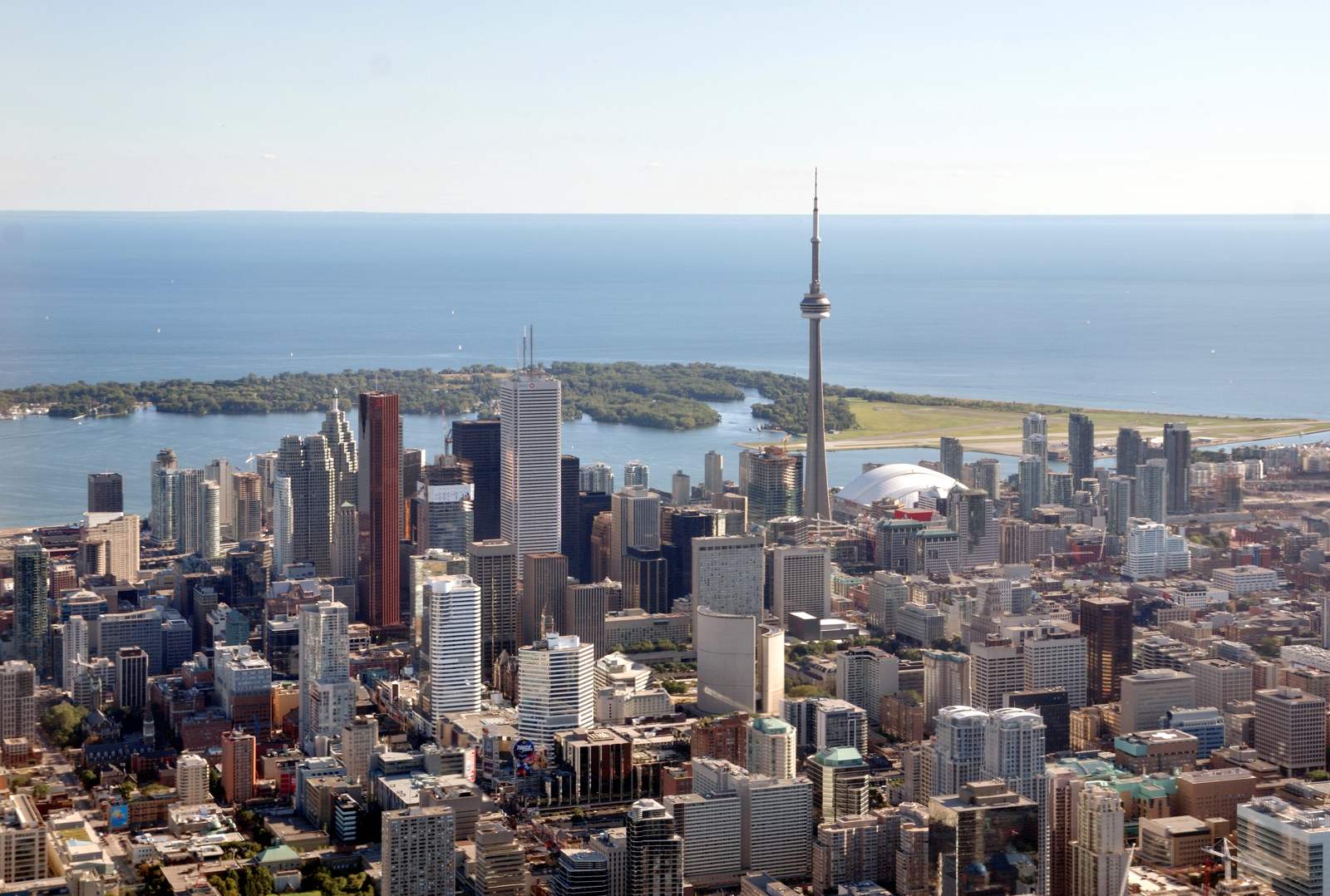
The Toronto skyline, Canada
Photo by Taxiarchos228, CC BY-SA 3.0, via Wikimedia Commons

Numbers on this page apply to holders of a US passport. Page last verified: 2026-10-16

Rules change. Confirm the current rules with the official source or the consulate for Canada before you apply, pay a fee, or book travel around a date in this table.

Every route, with the math

Scroll sideways for the full table. The route name stays in view.

Route Income required Investment required Total cost Processing time Days allowed Renewal rules Tax residency trigger Years to permanent residency Years to citizenship Last verified Official source
Visitor entry (visa-exempt entry for US citizens) Tourist allowance Not applicable. Canada sets no income threshold for a visit. You must satisfy the border officer that you have enough money for the stay and that you will leave Canada at the end of it. Not applicable No fee for US citizens, who are exempt from both the visitor visa and the eTA. For travellers who do need them, the IRCC fee list charges CAD 100 per person for a visitor visa and CAD 7 for an eTA. Not applicable. There is no advance application for a US citizen. Admission is decided at the port of entry. Up to 6 months per entry. The officer stamps the passport with a departure date or, if there is no stamp, the standard stay is 6 months from the day of entry. Visitor status is not renewed at the border on request. To stay longer, apply for a visitor record from inside Canada before your status expires (see the visitor record route), or leave and seek a fresh admission. A visit by itself does not make you a Canadian tax resident. Under CRA Income Tax Folio S5-F1-C1, residency turns on residential ties: significant ties such as a home, a spouse or common-law partner, and dependants in Canada make you a factual resident taxed on worldwide income, and spending 183 days or more in Canada in a calendar year makes you a deemed resident for the whole year under paragraph 250(1)(a) of the Income Tax Act. Not applicable. Visitor status gives no path to permanent residence. Not applicable from visitor status alone. Citizenship requires permanent residence first, then 1,095 days of physical presence in the 5 years before applying. 2026-10-16 Official source
Visitor record (extend your stay as a visitor) Tourist allowance Not applicable. There is no income threshold. You must show you can support yourself for the extended stay and that you will leave Canada when the record expires. Not applicable CAD 100 to extend your stay as a visitor. If your status has already expired, restoring visitor status costs CAD 246.25 (restoration fees rose on December 1, 2025). IRCC posts current times in its online processing times tool and published times have stretched considerably: reported figures range from about 3 to 5 months (one consultancy) to about 385 days on IRCC's October 1, 2026 tool reading (reported). The record sets a new expiry date for the stay. Your current status expires on the date stamped in your passport or, with no stamp, 6 months after entry. Apply at least 30 days before your current status expires. A visitor record is not a visa and does not guarantee re-entry: if you leave Canada, the record does not bring you back in, and a new admission is assessed at the border. Further records can be requested, each on its own merits. Extending a stay makes the CRA rules bite sooner. Under Income Tax Folio S5-F1-C1, once you spend 183 days or more in Canada in a calendar year you are a deemed resident for the whole year under paragraph 250(1)(a) and taxable on worldwide income for that year. Settling with significant residential ties (a home, a spouse or common-law partner, dependants in Canada) makes you a factual resident regardless of the day count. Not applicable. A visitor record is visitor status and gives no path to permanent residence. Not applicable from visitor status alone. Citizenship requires permanent residence first, then 1,095 days of physical presence in the 5 years before applying. Time in Canada as a visitor before permanent residence can then count at half a day per day, up to 365 days of credit. 2026-10-16 Official source
Remote work as a visitor (no digital nomad visa) Digital nomad Not applicable. There is no income test and no permit to apply for. Under IRCC's 2023 Tech Talent Strategy statement, a digital nomad needs only visitor status to live in Canada for up to six months at a time while doing their job remotely for a foreign employer. Not applicable No fee beyond visitor entry: none for US citizens. Working for a Canadian employer or in the Canadian labour market is a different matter and requires a work permit. Not applicable. There is no application. Admission is as a visitor at the port of entry. Up to 6 months at a time, the standard visitor admission. Longer stays need a visitor record. There is nothing to renew: the arrangement is visitor status, extended by visitor record if an officer grants one. No dedicated digital nomad visa or permit has been created since the June 27, 2023 announcement. Working remotely from Canada does not exempt you from the residency rules. Under CRA Income Tax Folio S5-F1-C1, significant residential ties make you a factual resident taxed on worldwide income, and 183 days or more in Canada in a calendar year makes you a deemed resident for the whole year under paragraph 250(1)(a), even if your employer and pay are entirely foreign. Not applicable. Visitor status, including remote work on it, gives no path to permanent residence. Not applicable from visitor status alone. Citizenship requires permanent residence first, then 1,095 days of physical presence in the 5 years before applying. 2026-10-16 Official source
Retirement residence permit (does not exist) Retirement Not applicable. No program exists to test. Not applicable. No program exists to test. Not applicable. There is no retirement permit to apply for at the federal or provincial level. Not applicable. Not applicable. Canada issues no retirement residence permit. Not applicable. Retirees who settle in Canada are taxed like anyone else: under CRA Income Tax Folio S5-F1-C1, significant residential ties make you a factual resident taxed on worldwide income, and 183 days or more in Canada in a calendar year makes you a deemed resident for the whole year under paragraph 250(1)(a). Splitting the year under 183 days with no residential ties is what keeps a snowbird a non-resident. No retirement route to permanent residence exists. A retiree who wants permanent residence must qualify under a work, business, or family program like any other applicant, or be sponsored by an adult child under the family programs. Citizenship requires permanent residence first, then 1,095 days of physical presence in the 5 years before applying. There is no citizenship shortcut for retirees. 2026-10-16 Official source
CUSMA professionals work permit Work No minimum salary threshold. IRCC's program instructions state that a mandatory wage assessment is not required for this category and an application cannot be refused on wage alone. You need pre-arranged employment with a Canadian employer in one of the 63 listed professions and the degree, licence, or alternative credentials that profession requires. Not applicable CAD 155 work permit processing fee, plus the CAD 230 employer compliance fee paid by the employer through the Employer Portal. US citizens pay no biometrics fee for temporary residence applications (the standard biometrics fee is CAD 85). No published processing standard. As a US citizen you are visa-exempt and may apply for the work permit at a Canadian port of entry on arrival, as well as online in advance or from inside Canada if you meet the conditions in the regulations. Up to 3 years on the initial work permit, or the length of the employment offer if shorter. Extensions are issued in increments of up to 3 years with no limit on the number of extensions, as long as you still meet the professional requirements and the employment remains temporary. Officers refuse extensions where CUSMA entry is being used to circumvent normal immigration procedures. Living and working in Canada normally makes you a factual resident for tax purposes under CRA Income Tax Folio S5-F1-C1 (significant residential ties: a home, a spouse or common-law partner, dependants in Canada), taxed on worldwide income. The backstop is the sojourner rule: 183 days or more in Canada in a calendar year makes you a deemed resident for the entire year under paragraph 250(1)(a), paying the federal surtax under subsection 120(1) in place of provincial tax. No direct path. CUSMA status is temporary and does not itself lead to permanent residence. Holders commonly qualify separately under Express Entry or a Provincial Nominee Program, where Canadian skilled work experience raises their score. Citizenship requires permanent residence first, then 1,095 days of physical presence in the 5 years before applying. Time in Canada as a CUSMA worker before permanent residence counts at half a day per day, up to 365 days of credit. 2026-10-16 Official source
Employer-specific work permit with an LMIA Work No income test on the worker. The stream turns on the wage offered, measured against the provincial or territorial median wage ESDC publishes: at or above it is the high-wage stream, below it the low-wage stream, with different advertising, cap, and duration rules for each. Not applicable CAD 155 work permit processing fee for the worker. The employer separately pays the CAD 1,000 LMIA fee per position, which is non-refundable and may not be recovered from the worker. An LMIA that supports only a permanent residence application carries no fee. The LMIA stage is the slow part. ESDC's published monthly averages for September 2026 ran about 98 business days for high-wage applications, about 82 business days for low-wage applications, and about 9 business days for the Global Talent Stream (reported). The work permit application follows once the LMIA is issued. Up to 3 years for high-wage positions and 1 year for low-wage positions (reported). A further stay needs a new LMIA and a new work permit application. Since September 2024, ESDC refuses to process low-wage LMIAs for jobs in census metropolitan areas where unemployment is 6 percent or higher, and low-wage hiring is capped as a share of an employer's workforce at a work location. Living and working in Canada normally makes you a factual resident for tax purposes under CRA Income Tax Folio S5-F1-C1 (significant residential ties: a home, a spouse or common-law partner, dependants in Canada), taxed on worldwide income. The backstop is the sojourner rule: 183 days or more in Canada in a calendar year makes you a deemed resident for the entire year under paragraph 250(1)(a), paying the federal surtax under subsection 120(1) in place of provincial tax. No direct path from the permit itself. LMIA-supported job offers and Canadian work experience feed Express Entry and Provincial Nominee Program applications, which is how most employer-specific workers become permanent residents. Citizenship requires permanent residence first, then 1,095 days of physical presence in the 5 years before applying. Time in Canada on a work permit before permanent residence counts at half a day per day, up to 365 days of credit. 2026-10-16 Official source
Open work permits Work Not applicable. There is no income or wage test and no job offer is needed. Eligibility is restricted to the categories IRCC lists, not open to the public. Not applicable CAD 255: the CAD 155 work permit processing fee plus the CAD 100 open work permit holder fee. IRCC publishes current processing times in its online tool and updates them regularly; there is no single standard across the open work permit categories. Set category by category. A post-graduation work permit runs up to 3 years (master's graduates get 3 years even from programs under 2 years, a rule in place since February 2024), and a spousal open work permit runs no longer than the principal applicant's permit or study period (reported). Depends on the category you qualified under. Some open permits are one-time products: the post-graduation work permit can be held only once and is not extended. Others, such as spousal permits, can be reissued while the underlying relationship and the principal's status continue. Living and working in Canada normally makes you a factual resident for tax purposes under CRA Income Tax Folio S5-F1-C1 (significant residential ties: a home, a spouse or common-law partner, dependants in Canada), taxed on worldwide income. The backstop is the sojourner rule: 183 days or more in Canada in a calendar year makes you a deemed resident for the entire year under paragraph 250(1)(a), paying the federal surtax under subsection 120(1) in place of provincial tax. No direct path. Open permit holders usually build toward permanent residence through Express Entry or a Provincial Nominee Program, where the Canadian work experience an open permit allows is what earns points. Citizenship requires permanent residence first, then 1,095 days of physical presence in the 5 years before applying. Time in Canada on a work permit before permanent residence counts at half a day per day, up to 365 days of credit. 2026-10-16 Official source
Study permit Study This route tests funds you can show, not income. For applications on or after September 1, 2026, a single applicant outside Quebec must show CAD 23,448 for one year of living expenses, plus the first year of tuition and the cost of return transportation. The figure before September 1, 2026 was CAD 22,895. Not applicable CAD 150 study permit processing fee. US citizens pay no biometrics fee. Most applicants also need a provincial or territorial attestation letter (PAL or TAL), which the institution arranges. IRCC publishes current processing times in its online tool by country of residence and updates them regularly; there is no fixed service standard for study permits. For the length of the study program at a designated learning institution. Extend from inside Canada before the permit expires if you are continuing in a program and still meet the conditions: enrolled at a designated learning institution, actively pursuing studies, and able to show funds again. Students are taxed on the same CRA rules as everyone else. Under Income Tax Folio S5-F1-C1, residential ties you build while studying (a home, a spouse or partner, dependants in Canada) can make you a factual resident taxed on worldwide income, and 183 days or more in Canada in a calendar year makes you a deemed resident for the whole year under paragraph 250(1)(a). Students with Canadian earnings file Canadian returns on that income either way. No direct path. Graduates move to a post-graduation work permit (see the open work permits route) and then qualify under Express Entry or a Provincial Nominee Program, where Canadian study and work experience earn points. Citizenship requires permanent residence first, then 1,095 days of physical presence in the 5 years before applying. Time in Canada on a study permit before permanent residence counts at half a day per day, up to 365 days of credit. 2026-10-16 Official source
Express Entry (Federal Skilled Worker, Canadian Experience Class, Federal Skilled Trades) Work Settlement funds are required for the Federal Skilled Worker Program and the Federal Skilled Trades Program, not for the Canadian Experience Class. Under the table updated July 7, 2025: CAD 15,263 for a single applicant, CAD 19,001 for 2 people, CAD 28,362 for 4 people, and CAD 40,392 for 7 people. Not applicable CAD 1,590 for the principal applicant including the right of permanent residence fee (CAD 990 without it). A spouse or partner is CAD 1,590 on the same basis and each dependent child CAD 270. Creating an Express Entry profile is free. IRCC's service standard is 6 months for a complete permanent residence application after an invitation to apply. Invited candidates have 60 days to submit that application. Time in the pool waiting for an invitation is separate and depends on the draws. Permanent residence on grant. An Express Entry profile itself stays in the pool for 12 months. Not applicable. This is permanent residence, not a permit. The permanent residence status route on this page covers the ongoing residency obligation. As a permanent resident who settles in Canada you will normally be a factual resident for tax purposes under CRA Income Tax Folio S5-F1-C1 (significant residential ties: a home, a spouse or common-law partner, dependants in Canada) and taxed on worldwide income. The sojourner backstop (183 days or more in a calendar year, deemed resident for the entire year under paragraph 250(1)(a)) rarely matters once you have landed and settled. 0 years. Express Entry grants permanent residence directly. Add the processing time above: the stay is permanent from the day the application is approved and you land. 3 years of physical presence as a permanent resident, out of the 1,095 days in the 5 years before applying. Days in Canada before permanent residence count at half a day per day, up to 365 days of credit, so a recent worker or student can qualify sooner than 3 full years after landing. 2026-10-16 Official source
Provincial Nominee Programs Work Not applicable as a single figure. Each province and territory sets its own stream requirements, including any wage, job offer, or settlement funds tests. The federal stage then applies its own admissibility checks. Not applicable. Nomination is not an investment program; any entrepreneur stream figures are set by the province running the stream, not published as a national table. Provincial application fees run from no fee to more than CAD 1,500 depending on the stream (reported). The federal stage costs the same as Express Entry: CAD 1,590 for the principal applicant including the right of permanent residence fee, CAD 1,590 for a spouse, and CAD 270 per dependent child. Nomination timing is set by each province. The federal stage for base (non-Express Entry) nominations runs about 12 to 19 months (reported). Express Entry aligned nominations are processed inside the 6 month Express Entry standard after invitation. Permanent residence on federal grant. Not applicable. This is permanent residence. The permanent residence status route on this page covers the ongoing residency obligation. As a permanent resident who settles in the nominating province you will normally be a factual resident for tax purposes under CRA Income Tax Folio S5-F1-C1 (significant residential ties: a home, a spouse or common-law partner, dependants in Canada) and taxed on worldwide income. The sojourner backstop is 183 days or more in a calendar year, deemed resident for the entire year under paragraph 250(1)(a). 0 years once the federal stage is granted. The realistic timeline is the nomination stage plus the federal processing above. 3 years of physical presence as a permanent resident within the 1,095 days in the 5 years before applying. Days in Canada before permanent residence count at half a day per day, up to 365 days of credit. 2026-10-16 Official source
Start-up Visa Program Investor You must show settlement funds for your family size under the federal low income cut-off based table used across the economic programs, and meet Canadian Language Benchmark 5 in English or French. No salary or business revenue test applies. No personal investment is required. The investment must come from a designated organization: a commitment of at least CAD 200,000 from a designated venture capital fund, at least CAD 75,000 from a designated angel investor group, or acceptance into a designated business incubator program, which carries no set investment amount. CAD 2,495 for the principal applicant including the right of permanent residence fee (CAD 1,895 without it), at the business immigration rate on the IRCC fee list. Slow. Files flagged for priority processing take over 2 years, and standard files several years (reported). Permanent residence on grant. Not applicable. This is permanent residence. Permanent residence is kept even if the business later fails. As a permanent resident who settles in Canada you will normally be a factual resident for tax purposes under CRA Income Tax Folio S5-F1-C1 (significant residential ties: a home, a spouse or common-law partner, dependants in Canada) and taxed on worldwide income. The sojourner backstop is 183 days or more in a calendar year, deemed resident for the entire year under paragraph 250(1)(a). 0 years. The Start-up Visa grants permanent residence directly, once the application clears the queue described above. 3 years of physical presence as a permanent resident within the 1,095 days in the 5 years before applying. 2026-10-16 Official source
Super Visa for parents and grandparents Other The Canadian host (your child or grandchild) must meet IRCC's minimum necessary income for the family size: CAD 30,526 for 1 person, CAD 38,002 for 2, CAD 46,720 for 3, CAD 56,724 for 4, CAD 64,336 for 5, CAD 72,560 for 6, and CAD 80,784 for 7, plus CAD 8,224 for each additional person. Not applicable CAD 100 visitor visa application fee per person. Private medical insurance is a separate cost bought from an insurer, not a government fee. Applicants from visa-exempt countries, including US citizens, receive an approval letter to present on entry instead of a visa in the passport. Set by the visa office handling the application and published in IRCC's processing times tool. One reported example: about 97 days for applications from the Philippines in October 2026 (reported). Multiple entry for up to 10 years, with stays of up to 5 years per entry. From inside Canada, a stay can be extended by up to 2 more years at a time. When the Super Visa itself expires, a new application is needed. There is no path from a Super Visa to permanent residence: parents who want to immigrate need sponsorship under the Parents and Grandparents Program. Long stays can trigger the sojourner rule even on a visitor product: under CRA Income Tax Folio S5-F1-C1, 183 days or more in Canada in a calendar year makes you a deemed resident for the whole year under paragraph 250(1)(a), taxed on worldwide income with the federal surtax in place of provincial tax. Parents who keep homes and families abroad and stay under the line in a given year usually remain non-residents, but the day count is per calendar year and a full 5 year Super Visa stay crosses it by design. Not applicable. The Super Visa is a visitor product and no time on it converts to permanent residence. Not applicable from a Super Visa. Citizenship requires permanent residence first, then 1,095 days of physical presence in the 5 years before applying. 2026-10-16 Official source
Parents and Grandparents Program (sponsorship) Other The sponsor must show income of the low income cut-off plus 30 percent for their family size in each of the 3 tax years before applying, and sign a financial undertaking of 20 years (10 years in Quebec). Not applicable CAD 1,260 per sponsored person including the right of permanent residence fee (CAD 660 without it). A sponsored dependent child is CAD 180. About 24 months for applications already in the system (reported). Intake timing is the real wait: see the renewal field. Permanent residence on grant. Not applicable once granted. The blocking fact is intake: IRCC has paused the program and is not accepting new interest to sponsor forms or issuing invitations until further notice (program page details dated August 18, 2026). Applications already submitted continue to be processed. The pause was announced July 15, 2026; the government targets up to 15,000 approvals in 2026 and 15,000 admissions a year from 2026 to 2028, against an inventory of about 50,900 applications (reported). A sponsored parent who settles in Canada will normally be a factual resident for tax purposes under CRA Income Tax Folio S5-F1-C1 (significant residential ties: a home, a spouse or common-law partner, dependants in Canada) and taxed on worldwide income. The sojourner backstop is 183 days or more in a calendar year, deemed resident for the entire year under paragraph 250(1)(a). 0 years. Sponsorship grants permanent residence directly, once an application is invited, submitted, and approved. 3 years of physical presence as a permanent resident within the 1,095 days in the 5 years before applying. 2026-10-16 Official source
Spousal and common-law partner sponsorship Other Not applicable. There is no minimum income requirement to sponsor a spouse or common-law partner. Not applicable CAD 1,260 including the right of permanent residence fee (CAD 660 without it). A dependent child included in the application is CAD 180. IRCC's published service standard for spousal sponsorship is 12 months (as reported across RCIC sources). Permanent residence on grant. Not applicable once granted. The sponsor's financial undertaking runs 3 years from the day the partner becomes a permanent resident and cannot be cancelled, even if the relationship ends. A sponsored partner who settles in Canada will normally be a factual resident for tax purposes under CRA Income Tax Folio S5-F1-C1 (significant residential ties: a home, a spouse or common-law partner, dependants in Canada) and taxed on worldwide income. The sojourner backstop is 183 days or more in a calendar year, deemed resident for the entire year under paragraph 250(1)(a). 0 years. Sponsorship grants permanent residence directly. 3 years of physical presence as a permanent resident within the 1,095 days in the 5 years before applying. Time in Canada before permanent residence counts at half a day per day, up to 365 days of credit. 2026-10-16 Official source
Permanent residence status (keeping it) Other Not applicable Not applicable CAD 50 to renew or replace a permanent resident card. A permanent resident travel document, for residents abroad without a valid card, is also CAD 50. Not applicable. This route describes the status itself rather than an application. Card renewals are processed on the times IRCC posts in its online tool. Permanent. Status does not expire, but it can be lost: you must be physically in Canada for at least 730 days in each 5 year period, the residency obligation in section 28 of the Immigration and Refugee Protection Act. The PR card is renewed every 5 years for CAD 50. Card expiry does not end your status, but you cannot board a commercial carrier back to Canada without a valid card or a permanent resident travel document. Some time abroad counts toward the 730 days: accompanying a Canadian citizen spouse or partner, or working abroad full time for a Canadian business. A permanent resident living in Canada will normally be a factual resident for tax purposes under CRA Income Tax Folio S5-F1-C1 (significant residential ties: a home, a spouse or common-law partner, dependants in Canada) and taxed on worldwide income. Status and tax residence are separate tests: a permanent resident who has genuinely moved away can be a non-resident for tax purposes, and the 183 day sojourner rule (deemed resident for the entire year under paragraph 250(1)(a)) applies on days in Canada alone. 0 years. This route is permanent residence itself. 3 years. See the citizenship by naturalization route: 1,095 days of physical presence in the 5 years before applying, with taxes filed for 3 of those years. 2026-10-16 Official source
Citizenship by naturalization (grant of citizenship) Other Not applicable Not applicable CAD 653 for an adult, including the CAD 123 right of citizenship fee in force since March 31, 2026. The fee for a minor is CAD 100. Approximately 12 months (reported, from IRCC's published estimate). Citizenship is permanent and does not expire. Not applicable. Citizenship is not renewed. A citizenship certificate (proof of citizenship) costs CAD 75 if a document is needed. Citizenship alone does not make you a Canadian tax resident and does not end Canadian tax residence either: under CRA Income Tax Folio S5-F1-C1, residence turns on residential ties and days in Canada, including the 183 day sojourner rule. Canada does not tax citizens living abroad on citizenship alone. Not applicable. Permanent residence is a precondition for a grant of citizenship, not an outcome of it. 0 years once you qualify. The qualification is the route: permanent resident status, 1,095 days of physical presence in Canada in the 5 years before applying, income tax filed for 3 of those years, and, for applicants aged 18 to 54, language ability and a citizenship knowledge test. 2026-10-16 Official source
Citizenship by descent (including Bill C-3 changes) Citizenship by descent Not applicable Not applicable CAD 75 for the citizenship certificate that proves status. There is no fee for citizenship itself, which is automatic by law where it applies. No fixed standard. Certificate applications face a backlog after the December 15, 2025 rule change, as people newly recognized as citizens apply for proof (reported). Citizenship from birth, for life. No presence in Canada is required to hold it. Not applicable. Citizenship by descent is not renewed and cannot lapse for absence from Canada. Descent citizenship alone creates no Canadian tax residence: under CRA Income Tax Folio S5-F1-C1, residence turns on residential ties and days in Canada, including the 183 day sojourner rule. A citizen by descent who has never lived in Canada is a non-resident for tax purposes. Not applicable. A citizen does not need permanent residence. 0 years. Citizenship applies from birth where the descent rules are met. 2026-10-16 Official source

Visitor entry (visa-exempt entry for US citizens)

Tourist allowance
Days allowed Up to 6 months per entry. The officer stamps the passport with a departure date or, if there is no stamp, the standard stay is 6 months from the...
Income required
Not applicable. Canada sets no income threshold for a visit. You must satisfy the border officer that you have enough money for the stay and that...
Investment required
Not applicable
Total cost
No fee for US citizens, who are exempt from both the visitor visa and the eTA. For travellers who do need them, the IRCC fee list charges CAD 100...
Processing time
Not applicable. There is no advance application for a US citizen. Admission is decided at the port of entry.
Renewal rules
Visitor status is not renewed at the border on request. To stay longer, apply for a visitor record from inside Canada before your status expires...
Tax residency trigger
A visit by itself does not make you a Canadian tax resident. Under CRA Income Tax Folio S5-F1-C1, residency turns on residential ties: significant...
Years to permanent residency
Not applicable. Visitor status gives no path to permanent residence.
Years to citizenship
Not applicable from visitor status alone. Citizenship requires permanent residence first, then 1,095 days of physical presence in the 5 years...
Last verified
2026-10-16
Official source
Official source

Visitor record (extend your stay as a visitor)

Tourist allowance
Days allowed The record sets a new expiry date for the stay. Your current status expires on the date stamped in your passport or, with no stamp, 6 months after...
Income required
Not applicable. There is no income threshold. You must show you can support yourself for the extended stay and that you will leave Canada when the...
Investment required
Not applicable
Total cost
CAD 100 to extend your stay as a visitor. If your status has already expired, restoring visitor status costs CAD 246.25 (restoration fees rose on...
Processing time
IRCC posts current times in its online processing times tool and published times have stretched considerably: reported figures range from about 3...
Renewal rules
Apply at least 30 days before your current status expires. A visitor record is not a visa and does not guarantee re-entry: if you leave Canada, the...
Tax residency trigger
Extending a stay makes the CRA rules bite sooner. Under Income Tax Folio S5-F1-C1, once you spend 183 days or more in Canada in a calendar year you...
Years to permanent residency
Not applicable. A visitor record is visitor status and gives no path to permanent residence.
Years to citizenship
Not applicable from visitor status alone. Citizenship requires permanent residence first, then 1,095 days of physical presence in the 5 years before applying.
Last verified
2026-10-16
Official source
Official source

Remote work as a visitor (no digital nomad visa)

Digital nomad
Days allowed Up to 6 months at a time, the standard visitor admission. Longer stays need a visitor record.
Income required
Not applicable. There is no income test and no permit to apply for. Under IRCC's 2023 Tech Talent Strategy statement, a digital nomad needs only...
Investment required
Not applicable
Total cost
No fee beyond visitor entry: none for US citizens. Working for a Canadian employer or in the Canadian labour market is a different matter and...
Processing time
Not applicable. There is no application. Admission is as a visitor at the port of entry.
Renewal rules
There is nothing to renew: the arrangement is visitor status, extended by visitor record if an officer grants one. No dedicated digital nomad visa...
Tax residency trigger
Working remotely from Canada does not exempt you from the residency rules. Under CRA Income Tax Folio S5-F1-C1, significant residential ties make...
Years to permanent residency
Not applicable. Visitor status, including remote work on it, gives no path to permanent residence.
Years to citizenship
Not applicable from visitor status alone. Citizenship requires permanent residence first, then 1,095 days of physical presence in the 5 years...
Last verified
2026-10-16
Official source
Official source

Retirement residence permit (does not exist)

Retirement
Days allowed Not applicable. Canada issues no retirement residence permit.
Income required
Not applicable. No program exists to test.
Investment required
Not applicable. No program exists to test.
Total cost
Not applicable. There is no retirement permit to apply for at the federal or provincial level.
Processing time
Not applicable.
Renewal rules
Not applicable.
Tax residency trigger
Retirees who settle in Canada are taxed like anyone else: under CRA Income Tax Folio S5-F1-C1, significant residential ties make you a factual...
Years to permanent residency
No retirement route to permanent residence exists. A retiree who wants permanent residence must qualify under a work, business, or family program...
Years to citizenship
Citizenship requires permanent residence first, then 1,095 days of physical presence in the 5 years before applying.
Last verified
2026-10-16
Official source
Official source

CUSMA professionals work permit

Work
Income required No minimum salary threshold. IRCC's program instructions state that a mandatory wage assessment is not required for this category and an...
Investment required
Not applicable
Total cost
CAD 155 work permit processing fee, plus the CAD 230 employer compliance fee paid by the employer through the Employer Portal.
Processing time
No published processing standard. As a US citizen you are visa-exempt and may apply for the work permit at a Canadian port of entry on arrival, as...
Days allowed
Up to 3 years on the initial work permit, or the length of the employment offer if shorter.
Renewal rules
Extensions are issued in increments of up to 3 years with no limit on the number of extensions, as long as you still meet the professional requirements and the employment remains temporary.
Tax residency trigger
Living and working in Canada normally makes you a factual resident for tax purposes under CRA Income Tax Folio S5-F1-C1 (significant residential...
Years to permanent residency
No direct path. CUSMA status is temporary and does not itself lead to permanent residence. Holders commonly qualify separately under Express Entry...
Years to citizenship
Citizenship requires permanent residence first, then 1,095 days of physical presence in the 5 years before applying.
Last verified
2026-10-16
Official source
Official source

Employer-specific work permit with an LMIA

Work
Income required No income test on the worker. The stream turns on the wage offered, measured against the provincial or territorial median wage ESDC publishes: at...
Investment required
Not applicable
Total cost
CAD 155 work permit processing fee for the worker. The employer separately pays the CAD 1,000 LMIA fee per position, which is non-refundable and may not be recovered from the worker.
Processing time
The LMIA stage is the slow part. ESDC's published monthly averages for September 2026 ran about 98 business days for high-wage applications, about...
Days allowed
Up to 3 years for high-wage positions and 1 year for low-wage positions (reported).
Renewal rules
A further stay needs a new LMIA and a new work permit application. Since September 2024, ESDC refuses to process low-wage LMIAs for jobs in census...
Tax residency trigger
Living and working in Canada normally makes you a factual resident for tax purposes under CRA Income Tax Folio S5-F1-C1 (significant residential...
Years to permanent residency
No direct path from the permit itself. LMIA-supported job offers and Canadian work experience feed Express Entry and Provincial Nominee Program...
Years to citizenship
Citizenship requires permanent residence first, then 1,095 days of physical presence in the 5 years before applying.
Last verified
2026-10-16
Official source
Official source

Open work permits

Work
Days allowed Set category by category. A post-graduation work permit runs up to 3 years (master's graduates get 3 years even from programs under 2 years, a rule...
Income required
Not applicable. There is no income or wage test and no job offer is needed. Eligibility is restricted to the categories IRCC lists, not open to the...
Investment required
Not applicable
Total cost
CAD 255: the CAD 155 work permit processing fee plus the CAD 100 open work permit holder fee.
Processing time
IRCC publishes current processing times in its online tool and updates them regularly; there is no single standard across the open work permit...
Renewal rules
Depends on the category you qualified under. Some open permits are one-time products: the post-graduation work permit can be held only once and is...
Tax residency trigger
Living and working in Canada normally makes you a factual resident for tax purposes under CRA Income Tax Folio S5-F1-C1 (significant residential...
Years to permanent residency
No direct path. Open permit holders usually build toward permanent residence through Express Entry or a Provincial Nominee Program, where the...
Years to citizenship
Citizenship requires permanent residence first, then 1,095 days of physical presence in the 5 years before applying.
Last verified
2026-10-16
Official source
Official source

Study permit

Study
Income required This route tests funds you can show, not income. For applications on or after September 1, 2026, a single applicant outside Quebec must show CAD...
Investment required
Not applicable
Total cost
CAD 150 study permit processing fee. US citizens pay no biometrics fee.
Processing time
IRCC publishes current processing times in its online tool by country of residence and updates them regularly; there is no fixed service standard...
Days allowed
For the length of the study program at a designated learning institution.
Renewal rules
Extend from inside Canada before the permit expires if you are continuing in a program and still meet the conditions: enrolled at a designated...
Tax residency trigger
Students are taxed on the same CRA rules as everyone else. Under Income Tax Folio S5-F1-C1, residential ties you build while studying (a home, a...
Years to permanent residency
No direct path. Graduates move to a post-graduation work permit (see the open work permits route) and then qualify under Express Entry or a...
Years to citizenship
Citizenship requires permanent residence first, then 1,095 days of physical presence in the 5 years before applying.
Last verified
2026-10-16
Official source
Official source

Express Entry (Federal Skilled Worker, Canadian Experience Class, Federal Skilled Trades)

Work
Income required Settlement funds are required for the Federal Skilled Worker Program and the Federal Skilled Trades Program, not for the Canadian Experience Class....
Investment required
Not applicable
Total cost
CAD 1,590 for the principal applicant including the right of permanent residence fee (CAD 990 without it).
Processing time
IRCC's service standard is 6 months for a complete permanent residence application after an invitation to apply.
Days allowed
Permanent residence on grant. An Express Entry profile itself stays in the pool for 12 months.
Renewal rules
Not applicable. This is permanent residence, not a permit. The permanent residence status route on this page covers the ongoing residency obligation.
Tax residency trigger
As a permanent resident who settles in Canada you will normally be a factual resident for tax purposes under CRA Income Tax Folio S5-F1-C1...
Years to permanent residency
0 years. Express Entry grants permanent residence directly. Add the processing time above: the stay is permanent from the day the application is...
Years to citizenship
3 years of physical presence as a permanent resident, out of the 1,095 days in the 5 years before applying.
Last verified
2026-10-16
Official source
Official source

Provincial Nominee Programs

Work
Days allowed Permanent residence on federal grant.
Income required
Not applicable as a single figure. Each province and territory sets its own stream requirements, including any wage, job offer, or settlement funds...
Investment required
Not applicable. Nomination is not an investment program; any entrepreneur stream figures are set by the province running the stream, not published...
Total cost
Provincial application fees run from no fee to more than CAD 1,500 depending on the stream (reported).
Processing time
Nomination timing is set by each province. The federal stage for base (non-Express Entry) nominations runs about 12 to 19 months (reported).
Renewal rules
Not applicable. This is permanent residence. The permanent residence status route on this page covers the ongoing residency obligation.
Tax residency trigger
As a permanent resident who settles in the nominating province you will normally be a factual resident for tax purposes under CRA Income Tax Folio...
Years to permanent residency
0 years once the federal stage is granted. The realistic timeline is the nomination stage plus the federal processing above.
Years to citizenship
3 years of physical presence as a permanent resident within the 1,095 days in the 5 years before applying.
Last verified
2026-10-16
Official source
Official source

Start-up Visa Program

Investor
Income required You must show settlement funds for your family size under the federal low income cut-off based table used across the economic programs, and meet...
Investment required
No personal investment is required. The investment must come from a designated organization: a commitment of at least CAD 200,000 from a designated...
Total cost
CAD 2,495 for the principal applicant including the right of permanent residence fee (CAD 1,895 without it), at the business immigration rate on...
Processing time
Slow. Files flagged for priority processing take over 2 years, and standard files several years (reported).
Days allowed
Permanent residence on grant.
Renewal rules
Not applicable. This is permanent residence. Permanent residence is kept even if the business later fails.
Tax residency trigger
As a permanent resident who settles in Canada you will normally be a factual resident for tax purposes under CRA Income Tax Folio S5-F1-C1...
Years to permanent residency
0 years. The Start-up Visa grants permanent residence directly, once the application clears the queue described above.
Years to citizenship
3 years of physical presence as a permanent resident within the 1,095 days in the 5 years before applying.
Last verified
2026-10-16
Official source
Official source

Super Visa for parents and grandparents

Other
Income required The Canadian host (your child or grandchild) must meet IRCC's minimum necessary income for the family size: CAD 30,526 for 1 person, CAD 38,002 for...
Investment required
Not applicable
Total cost
CAD 100 visitor visa application fee per person. Private medical insurance is a separate cost bought from an insurer, not a government fee.
Processing time
Set by the visa office handling the application and published in IRCC's processing times tool. One reported example: about 97 days for applications...
Days allowed
Multiple entry for up to 10 years, with stays of up to 5 years per entry.
Renewal rules
From inside Canada, a stay can be extended by up to 2 more years at a time.
Tax residency trigger
Long stays can trigger the sojourner rule even on a visitor product: under CRA Income Tax Folio S5-F1-C1, 183 days or more in Canada in a calendar...
Years to permanent residency
Not applicable. The Super Visa is a visitor product and no time on it converts to permanent residence.
Years to citizenship
Not applicable from a Super Visa. Citizenship requires permanent residence first, then 1,095 days of physical presence in the 5 years before applying.
Last verified
2026-10-16
Official source
Official source

Parents and Grandparents Program (sponsorship)

Other
Income required The sponsor must show income of the low income cut-off plus 30 percent for their family size in each of the 3 tax years before applying, and sign a...
Investment required
Not applicable
Total cost
CAD 1,260 per sponsored person including the right of permanent residence fee (CAD 660 without it). A sponsored dependent child is CAD 180.
Processing time
About 24 months for applications already in the system (reported). Intake timing is the real wait: see the renewal field.
Days allowed
Permanent residence on grant.
Renewal rules
Not applicable once granted. The blocking fact is intake: IRCC has paused the program and is not accepting new interest to sponsor forms or issuing...
Tax residency trigger
A sponsored parent who settles in Canada will normally be a factual resident for tax purposes under CRA Income Tax Folio S5-F1-C1 (significant...
Years to permanent residency
0 years. Sponsorship grants permanent residence directly, once an application is invited, submitted, and approved.
Years to citizenship
3 years of physical presence as a permanent resident within the 1,095 days in the 5 years before applying.
Last verified
2026-10-16
Official source
Official source

Spousal and common-law partner sponsorship

Other
Days allowed Permanent residence on grant.
Income required
Not applicable. There is no minimum income requirement to sponsor a spouse or common-law partner.
Investment required
Not applicable
Total cost
CAD 1,260 including the right of permanent residence fee (CAD 660 without it). A dependent child included in the application is CAD 180.
Processing time
IRCC's published service standard for spousal sponsorship is 12 months (as reported across RCIC sources).
Renewal rules
Not applicable once granted. The sponsor's financial undertaking runs 3 years from the day the partner becomes a permanent resident and cannot be...
Tax residency trigger
A sponsored partner who settles in Canada will normally be a factual resident for tax purposes under CRA Income Tax Folio S5-F1-C1 (significant...
Years to permanent residency
0 years. Sponsorship grants permanent residence directly.
Years to citizenship
3 years of physical presence as a permanent resident within the 1,095 days in the 5 years before applying.
Last verified
2026-10-16
Official source
Official source

Permanent residence status (keeping it)

Other
Days allowed Permanent. Status does not expire, but it can be lost: you must be physically in Canada for at least 730 days in each 5 year period, the residency...
Income required
Not applicable
Investment required
Not applicable
Total cost
CAD 50 to renew or replace a permanent resident card. A permanent resident travel document, for residents abroad without a valid card, is also CAD 50.
Processing time
Not applicable. This route describes the status itself rather than an application. Card renewals are processed on the times IRCC posts in its...
Renewal rules
The PR card is renewed every 5 years for CAD 50. Card expiry does not end your status, but you cannot board a commercial carrier back to Canada...
Tax residency trigger
A permanent resident living in Canada will normally be a factual resident for tax purposes under CRA Income Tax Folio S5-F1-C1 (significant...
Years to permanent residency
0 years. This route is permanent residence itself.
Years to citizenship
3 years. See the citizenship by naturalization route: 1,095 days of physical presence in the 5 years before applying, with taxes filed for 3 of...
Last verified
2026-10-16
Official source
Official source

Citizenship by naturalization (grant of citizenship)

Other
Days allowed Citizenship is permanent and does not expire.
Income required
Not applicable
Investment required
Not applicable
Total cost
CAD 653 for an adult, including the CAD 123 right of citizenship fee in force since March 31, 2026. The fee for a minor is CAD 100.
Processing time
Approximately 12 months (reported, from IRCC's published estimate).
Renewal rules
Not applicable. Citizenship is not renewed. A citizenship certificate (proof of citizenship) costs CAD 75 if a document is needed.
Tax residency trigger
Citizenship alone does not make you a Canadian tax resident and does not end Canadian tax residence either: under CRA Income Tax Folio S5-F1-C1,...
Years to permanent residency
Not applicable. Permanent residence is a precondition for a grant of citizenship, not an outcome of it.
Years to citizenship
0 years once you qualify. The qualification is the route: permanent resident status, 1,095 days of physical presence in Canada in the 5 years...
Last verified
2026-10-16
Official source
Official source

Citizenship by descent (including Bill C-3 changes)

Citizenship by descent
Days allowed Citizenship from birth, for life. No presence in Canada is required to hold it.
Income required
Not applicable
Investment required
Not applicable
Total cost
CAD 75 for the citizenship certificate that proves status. There is no fee for citizenship itself, which is automatic by law where it applies.
Processing time
No fixed standard. Certificate applications face a backlog after the December 15, 2025 rule change, as people newly recognized as citizens apply...
Renewal rules
Not applicable. Citizenship by descent is not renewed and cannot lapse for absence from Canada.
Tax residency trigger
Descent citizenship alone creates no Canadian tax residence: under CRA Income Tax Folio S5-F1-C1, residence turns on residential ties and days in Canada, including the 183 day sojourner rule.
Years to permanent residency
Not applicable. A citizen does not need permanent residence.
Years to citizenship
0 years. Citizenship applies from birth where the descent rules are met.
Last verified
2026-10-16
Official source
Official source

Route notes

Visitor entry (visa-exempt entry for US citizens): US citizens need neither a visitor visa nor an eTA for any mode of travel. US lawful permanent residents have not needed an eTA since April 26, 2022; they travel on their passport of nationality plus valid proof of US permanent resident status. Citizens of other visa-exempt countries need an eTA (CAD 7, valid up to 5 years) only to fly to Canada. Ignore reports that standard visitor stays were extended to a full year in 2026: no official source supports them and IRCC pages still state up to 6 months.

Visitor record (extend your stay as a visitor): Apply online from inside Canada. While a timely extension application is being decided you keep visitor status until IRCC decides. Retirees and long-stay visitors chain visitor records in practice, but each grant is discretionary and officers look for a settled plan to leave.

Remote work as a visitor (no digital nomad visa): Announced by the immigration minister at Collision on June 27, 2023 as part of the Tech Talent Strategy: IRCC's own wording says a digital nomad only needs visitor status to relocate to Canada for up to six months at a time while performing their job remotely for a foreign employer. Remote work for a foreign employer with no Canadian clients is not treated as entering the Canadian labour market; serving Canadian clients or a Canadian employer requires a work permit.

Retirement residence permit (does not exist): The plain position: Canada has no retirement, pensioner, or passive income residence permit, federal or provincial. In practice retirees stay as visitors (up to 6 months at a time, extended by visitor record), and parents and grandparents of Canadian citizens and permanent residents use the Super Visa for 5 year stays (see that route on this page). The only federal investor-style route to permanent residence is the Start-up Visa, which is an active business program, not a retirement product.

CUSMA professionals work permit: Open only to citizens of the United States and Mexico, under paragraph R204(a) of the regulations, exemption code T36, with no LMIA. The list of 63 professions in Appendix 2 of CUSMA is closed: occupations not on it do not qualify, and each profession carries its own minimum education or credential. Self-employment in Canada is not allowed under this category. The same agreement covers intra-company transferees (permits of up to 5 years for executives and managers and up to 3 years for specialized knowledge staff) and traders and investors (permits of up to 1 year), per two immigration law guides (reported).

Employer-specific work permit with an LMIA: Recruitment comes first: employers must advertise the job (4 weeks in the high-wage stream, 8 weeks in the low-wage stream) before applying (reported, from LMIA guides restating ESDC program terms). The work permit names one employer, one occupation, and one location: changing any of them needs a new permit. Some work permits are LMIA-exempt under international agreements and the International Mobility Program; the CUSMA route on this page is the main one for US citizens.

Open work permits: The main categories are post-graduation work permits for graduates of designated learning institutions, spousal open work permits, permits for permanent residence applicants and their families already in Canada, and permits for vulnerable and destitute workers. Spousal eligibility narrowed on January 21, 2025: spouses of students qualify mainly where the student is in a master's program of 16 months or longer, a doctoral program, or a listed professional degree, and spouses of workers qualify where the worker is in a higher-skilled occupation (TEER 0 or 1, and select TEER 2 or 3 occupations) and the worker's permit has at least 16 months of validity left (reported, from two university international offices). Post-graduation permits gained language requirements on November 1, 2024: CLB 7 for university graduates and CLB 5 for college graduates (reported).

Study permit: Study permits have been capped since January 2024: the 2026 to 2028 Levels Plan targets 155,000 new student arrivals in 2026, and IRCC expects to issue up to 180,000 permits in 2026 to attestation letter applicants (reported, from IRCC's published levels material). Quebec applicants need a CAQ, and Quebec sets its own funds figure. Students may work off campus up to 24 hours per week during the academic session (reported). The funds table by family size for applications on or after September 1, 2026: 1 person CAD 23,448; 2 people CAD 29,192; 3 people CAD 35,888; 4 people CAD 43,572; 5 people CAD 49,419; 6 people CAD 55,736; 7 people CAD 62,054; each additional person CAD 6,318.

Express Entry (Federal Skilled Worker, Canadian Experience Class, Federal Skilled Trades): There is no single pass mark: candidates are ranked by Comprehensive Ranking System score and draws set the cut-off. In 2026 draws through October 16, Canadian Experience Class cut-offs ran 507 to 523 (the October 15 draw was 519) and Provincial Nominee Program draws 697 to 805 (October 13 was 772), with category draws lower: trades 476 on October 1, healthcare 475 on September 4, and French language draws between 382 and 435 (reported, from CIC News draw reports). CRS points for job offers were removed effective March 25, 2025. A provincial nomination adds 600 points, which is why the nominee route matters.

Provincial Nominee Programs: Eleven provinces and territories nominate. Quebec runs its own skilled worker selection outside the nominee programs, and Nunavut has no program. Nomination runs two ways: base streams, where the province nominates you and you apply to IRCC directly, and Express Entry aligned streams, where the nomination adds 600 Comprehensive Ranking System points and effectively guarantees an invitation in the next nominee draw.

Start-up Visa Program: Up to 5 co-founders can apply on one business. Each applicant must hold at least 10 percent of the voting rights, and the applicants together with the designated organization must hold more than 50 percent. Since April 30, 2024 each designated organization can support at most 10 applications a year, which rations access (reported). The federal Self-Employed Persons Program, the closest alternative for freelancers and cultural workers, has been paused since April 30, 2024 (reported).

Super Visa for parents and grandparents: Medical insurance of at least CAD 100,000, valid for at least 1 year, is mandatory: since January 28, 2025 it can come from a Canadian insurer or a foreign insurer authorized by the Office of the Superintendent of Financial Institutions. A change reported on March 31, 2026 lets hosts qualify on income from either of the two preceding tax years and lets the visiting parent's income top up the host's (reported). The Super Visa is the working alternative while Parents and Grandparents Program intake is paused.

Parents and Grandparents Program (sponsorship): The last invitation round drew from the 2020 interest to sponsor pool: invitations went out from July 28, 2025 and the window closed October 9, 2025, with 17,860 invitations issued (reported). Until intake reopens there is no way to start a new application, which is why most families use the Super Visa for long visits in the meantime.

Spousal and common-law partner sponsorship: The sponsor must be 18 or older and a Canadian citizen, a permanent resident living in Canada, or a person registered under the Indian Act, and must not be receiving social assistance other than for a disability. Partners already in Canada can apply under the in-Canada class and may qualify for an open work permit while the application is processed.

Permanent residence status (keeping it): The 730 day obligation is assessed when you apply for a card or travel document or seek entry, looking back over the immediately preceding 5 years (or forward from landing for newer residents). Permanent residents can sponsor spouses and dependent children, and parents and grandparents when that program's intake is open.

Citizenship by naturalization (grant of citizenship): The conditions are in section 5(1) of the Citizenship Act. Days in Canada as a temporary resident or protected person before becoming a permanent resident count toward the 1,095 days at half a day per day, up to a maximum of 365 days of credit. Canada permits dual citizenship, so a US citizen who naturalizes keeps US citizenship.

Citizenship by descent (including Bill C-3 changes): Bill C-3 received royal assent on November 20, 2025 and took effect December 15, 2025, removing the first-generation limit that dated from 2009. People born or adopted abroad before December 15, 2025 to a Canadian parent are citizens automatically, including the Lost Canadians whose status the limit had blocked. For children born or adopted abroad on or after December 15, 2025 to a parent who was also born or adopted abroad, the parent must show a substantial connection: 1,095 cumulative days of physical presence in Canada. Proof is the citizenship certificate (CAD 75).

Medical insurance: One or more routes on this page require the applicant to hold medical or travel insurance. This site's insurance partner is SafetyWing: SafetyWing Nomad Insurance Affiliate link This site earns a commission if a reader buys through that link, at no extra cost to the reader. The insurance card on the Essentials page sets out the cover options this site lists. Whether a policy meets a route's insurance requirement depends on the official wording for the route and the policy terms, so check both before relying on a policy for an application.

More of Canada

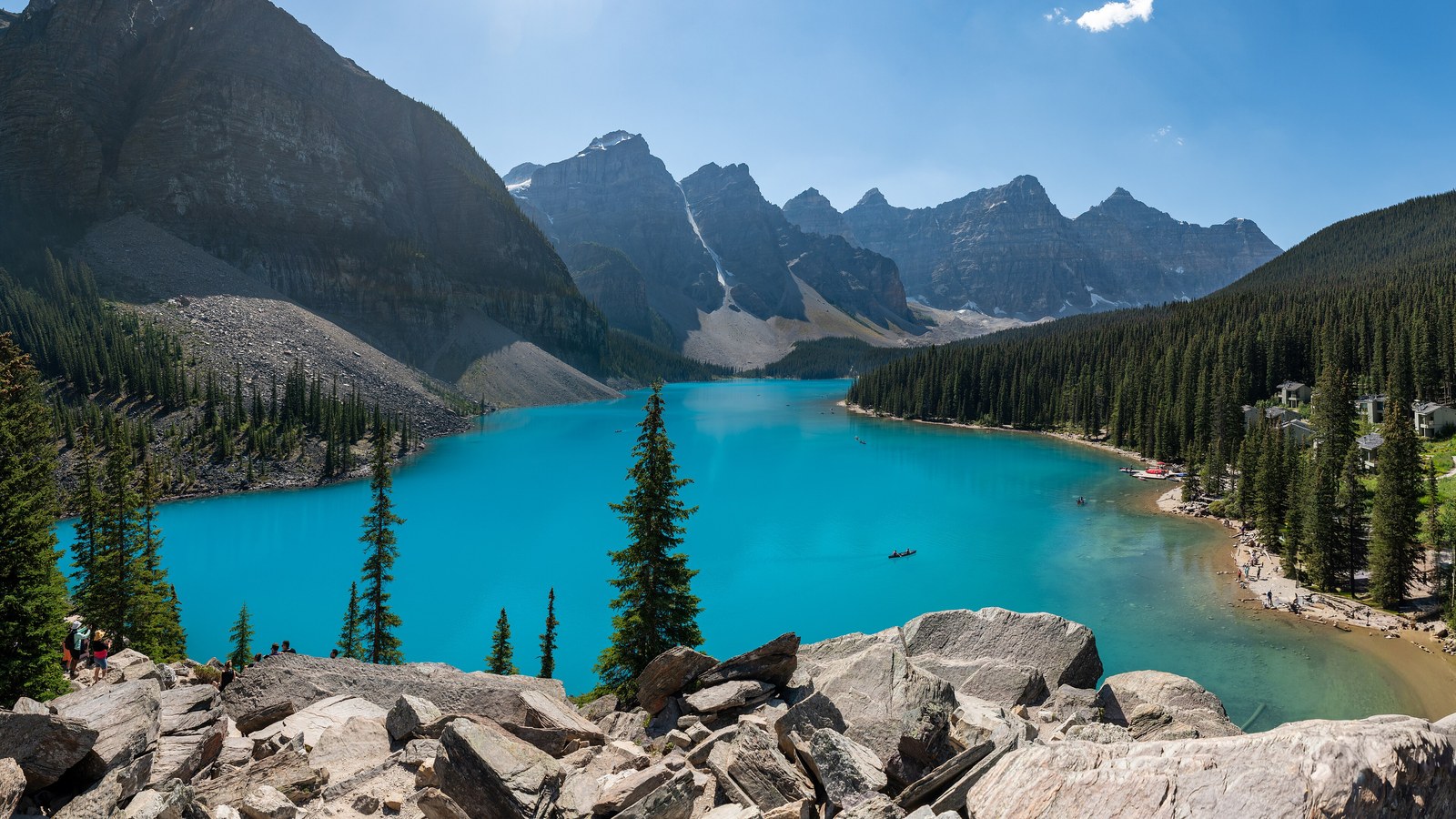
Turquoise Moraine Lake below the Valley of the Ten Peaks in Banff, Canada
Moraine Lake. Photo by Christoph Strässler, CC BY-SA 4.0, via Wikimedia Commons
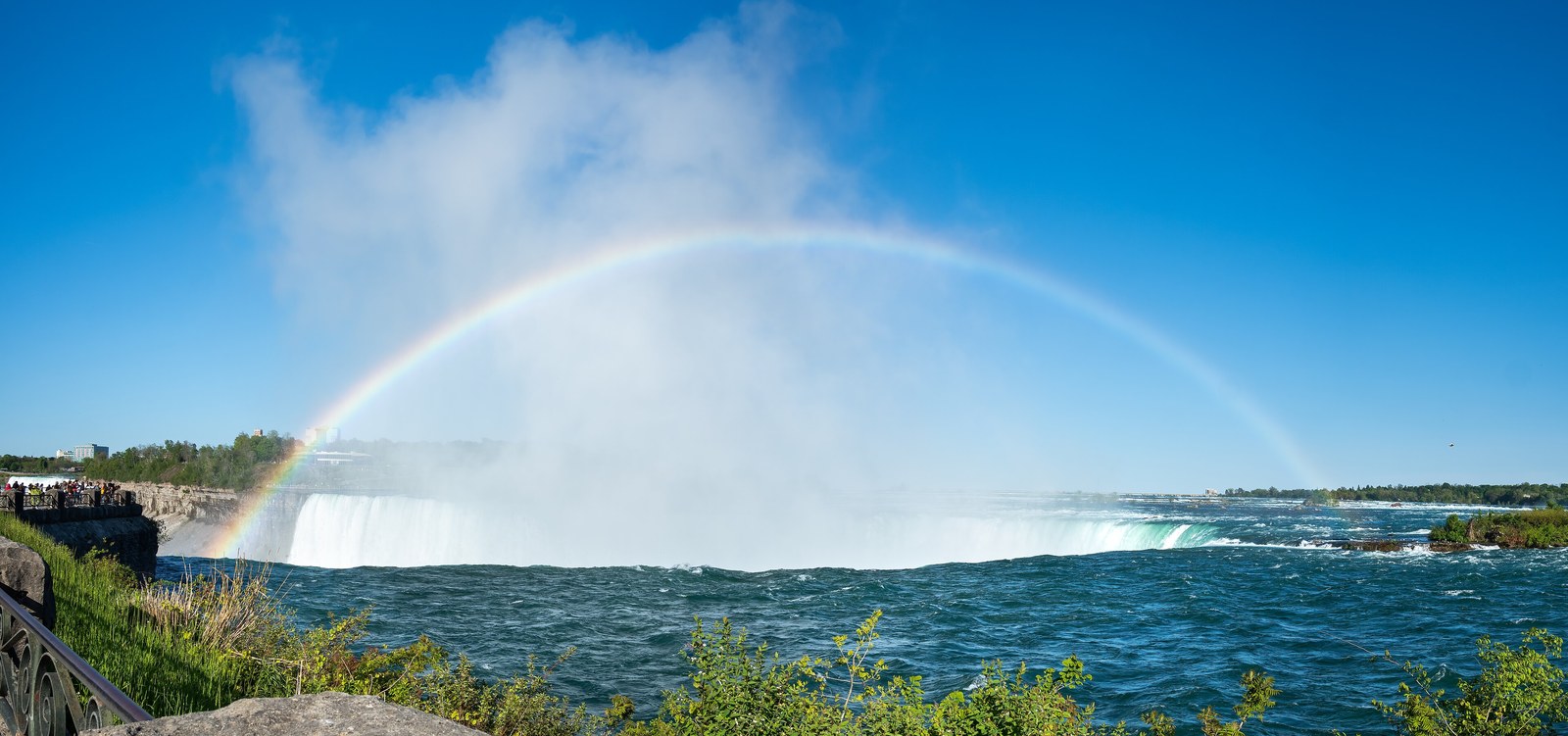
A rainbow over the Horseshoe Falls at Niagara Falls, Canada
Niagara Falls. Photo by Rhododendrites, CC BY-SA 4.0, via Wikimedia Commons
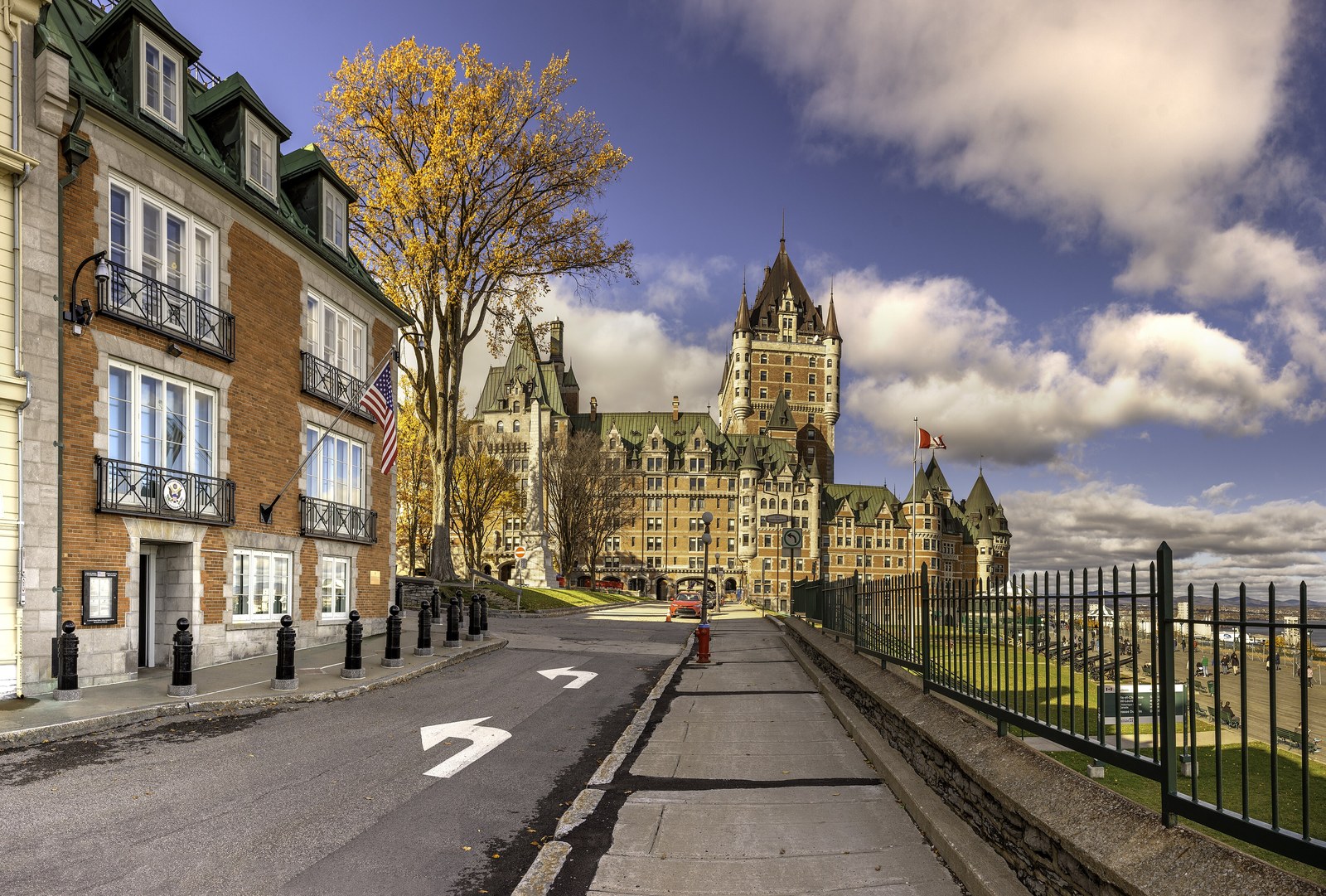
A street in Old Quebec leading toward the Chateau Frontenac, Canada
Old Quebec. Photo by Wilfredor, CC0, via Wikimedia Commons