Country page

Living in Netherlands long term

The Netherlands has no retirement visa, no passive income visa, and no digital nomad visa: every long stay runs through a purpose based residence permit from the IND. US citizens are visa exempt for short stays, need no provisional residence permit (MVV) to take up residence, and hold one route no other nationality gets, the Dutch American Friendship Treaty (DAFT), a self-employed permit with a EUR 4,500 capital requirement and no points test. The other doors are the ordinary self-employed permit with its points assessment, the highly skilled migrant permit at 2026 salary thresholds of EUR 5,942 a month at age 30 or over, EUR 4,357 under 30, and EUR 3,122 on the reduced criterion, the start-up and essential start-up personnel routes, the orientation year for graduates, and study; permanent residence and EU long-term resident status open after 5 years, and naturalisation takes 5 years with a civic integration exam at A2.

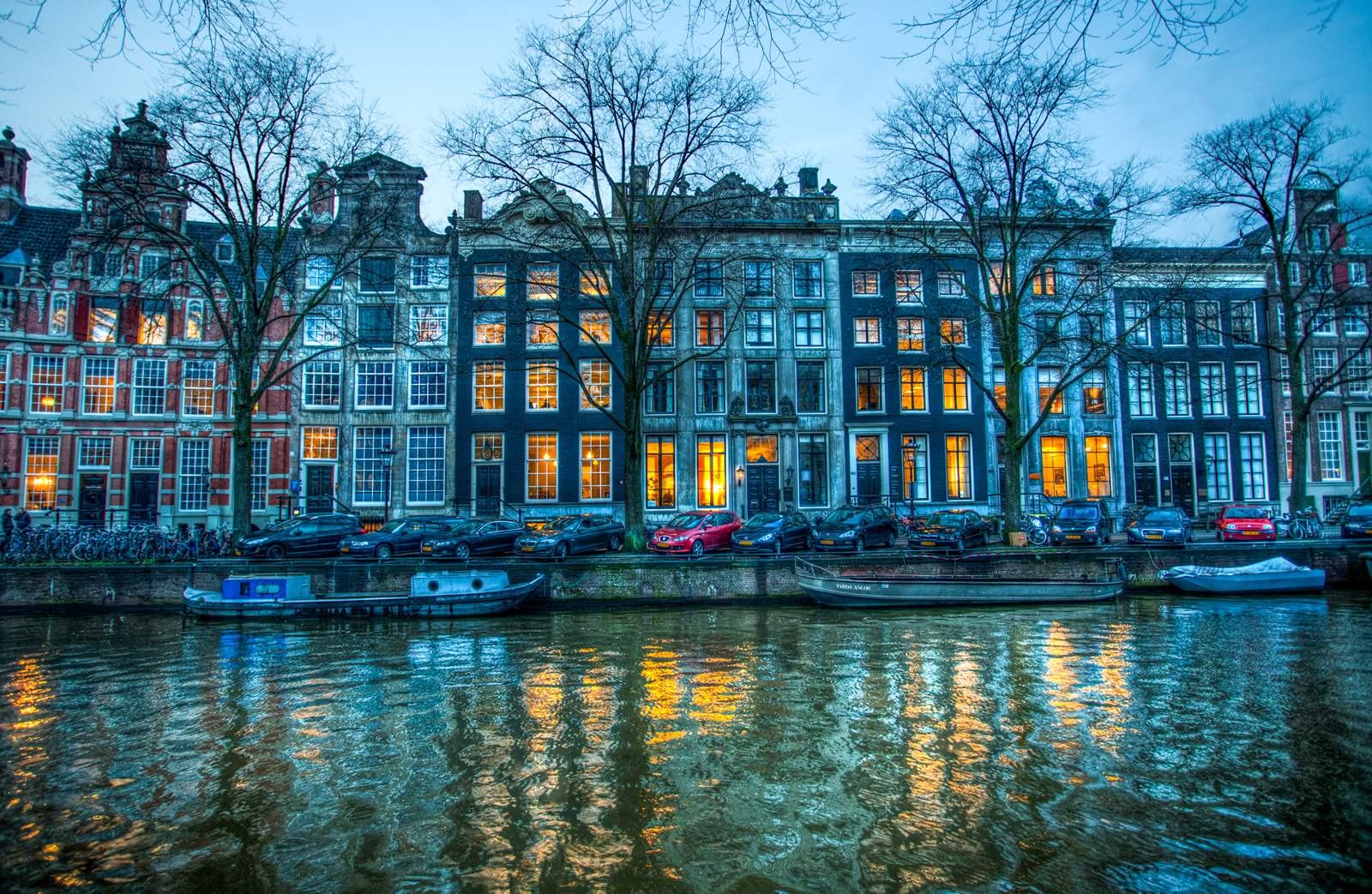
The Herengracht canal in Amsterdam at dusk
Photo by Anne Dirkse, CC BY-SA 4.0, via Wikimedia Commons

Numbers on this page apply to holders of a US passport. Page last verified: 2026-10-16

Rules change. Confirm the current rules with the official source or the consulate for Netherlands before you apply, pay a fee, or book travel around a date in this table.

Every route, with the math

Scroll sideways for the full table. The route name stays in view.

Route Income required Investment required Total cost Processing time Days allowed Renewal rules Tax residency trigger Years to permanent residency Years to citizenship Last verified Official source
Schengen short stay (tourist) Tourist allowance Not applicable Not applicable No fee as of October 2026. Entry is visa free and ETIAS was not yet in operation, so no authorization fee was charged. The official EU ETIAS site lists a fee of EUR 20 for when the system starts. No advance application as of this check. Entry is visa free and ETIAS is not yet in operation. 90 days in any 180 day period across the Schengen area Not renewable. Time outside the Schengen area does not reset the rolling 180 day window, and a short stay cannot be converted into a long stay from inside the Netherlands. Not normally triggered by a short stay on its own. Dutch tax residence does not turn on a day count: under Article 4 of the General State Taxes Act (Algemene wet inzake rijksbelastingen), where a person lives is judged on the facts and circumstances of the case, and the test is whether a durable bond of a personal nature ties the person to the Netherlands. A 90 day visitor whose home and life are elsewhere does not meet it. Not a residence status. Short stays do not count toward a permanent residence permit or EU long-term resident status. Not a residence status. Short stays do not count toward the five years of legal residence required for naturalisation. 2026-10-16 Official source
Dutch American Friendship Treaty (DAFT) self-employed residence permit Investor No income threshold at application. Unlike the ordinary self-employed permit, the treaty route has no points test and no business plan income test; the IND conditions are US nationality, a qualifying business activity, and the capital investment stated below. On extension the IND checks that the business is genuinely active and that the invested capital stayed in the business. EUR 4,500 minimum investment in your own Dutch business for most business forms. The IND phrases the treaty test as investing substantial capital, and states that for most forms the IND requires a minimum investment of EUR 4,500; the amount can depend on the legal form of the business. The capital must sit in the business rather than in a personal account, and it must remain there for the life of the permit. EUR 423 IND application fee (IND fees page, 2026; the self-employed fee line covers DAFT applications). Extensions also cost EUR 423. Chamber of Commerce registration and any accountant or notary costs are separate and are not IND fees. (reported) The IND statutory decision period for this application is 90 days. 2 years for the first permit (reported) Extendable for up to 5 years at a time (reported). The extension fee is EUR 423 (IND fees page, 2026). For an extension the IND requires the annual accounts and a balance sheet or income statement, to check that the company has been active and the invested capital remained in the business (IND). Dutch tax residence does not turn on a day count. Under Article 4 of the General State Taxes Act (Algemene wet inzake rijksbelastingen), where a person lives is judged on the facts and circumstances of the case, and the courts ask whether a durable bond of a personal nature ties the person to the Netherlands: where their home is, where their family lives, and where the centre of their personal and economic life sits. Registration in the municipal Personal Records Database (BRP) is an indicator, not the test. A DAFT holder who moves home and business to the Netherlands is a Dutch tax resident on worldwide income in practice. 5 5 2026-10-16 Official source
Self-employed residence permit (points system) Work Your business plan must show a gross profit of at least EUR 1,766.77 per month including holiday allowance, the IND required amount for a self-employed person from 1 July 2026 to 31 December 2026 (IND required amounts page). The amount follows the statutory minimum wage and is reset every 1 January and 1 July; it was EUR 1,734.57 per month in the first half of 2026. No fixed statutory investment amount. The test is qualitative and points based: the Netherlands Enterprise Agency (RVO) scores your personal experience, your business plan, and the added value for the Netherlands, and the IND grants the permit only if the work is of essential interest to the Dutch economy. EUR 423 IND application fee (IND fees page, 2026). Extensions also cost EUR 423. (reported) The IND statutory decision period is 90 days. The RVO points assessment runs inside the procedure. Up to 2 years for the first permit (reported) Extendable while the business stays active and the conditions stay met. The extension fee is EUR 423 (IND fees page, 2026). On extension the IND checks that the business has remained active and the requirements are still met. Dutch tax residence does not turn on a day count. Under Article 4 of the General State Taxes Act (Algemene wet inzake rijksbelastingen), where a person lives is judged on the facts and circumstances of the case, and the courts ask whether a durable bond of a personal nature ties the person to the Netherlands: where their home is, where their family lives, and where the centre of their personal and economic life sits. Registration in the municipal Personal Records Database (BRP) is an indicator, not the test. A permit holder who moves home and business to the Netherlands is a Dutch tax resident on worldwide income in practice. 5 5 2026-10-16 Official source
Highly skilled migrant (kennismigrant) Work Gross salary of at least EUR 5,942 per month if you are 30 or older, EUR 4,357 per month if you are younger than 30, or EUR 3,122 per month on the reduced salary criterion, which covers graduates hired during an orientation year or within 3 years after it (IND required amounts for 2026). The figures are gross per month and exclude holiday allowance. The salary must also be in line with the market rate for the job, and the thresholds are reset every 1 January. Not applicable EUR 423 IND application fee, paid by the employer (IND fees page, 2026). Extensions also cost EUR 423. The IND aims to decide within 2 weeks of a complete application from a recognized sponsor (Business.gov.nl). The statutory decision period is 90 days. Issued for the length of the employment contract, up to a maximum of 5 years (Business.gov.nl). Extendable while you stay employed by a recognized sponsor at or above the salary criterion that applies to you. The extension fee is EUR 423 (IND fees page, 2026). The lower under 30 criterion keeps applying on an extension with the same employer even after you turn 30 (IND). Dutch tax residence does not turn on a day count. Under Article 4 of the General State Taxes Act (Algemene wet inzake rijksbelastingen), where a person lives is judged on the facts and circumstances of the case, and the courts ask whether a durable bond of a personal nature ties the person to the Netherlands: where their home is, where their family lives, and where the centre of their personal and economic life sits. Registration in the municipal Personal Records Database (BRP) is an indicator, not the test. A permit holder who moves home and work to the Netherlands is a Dutch tax resident on worldwide income in practice. 5 5 2026-10-16 Official source
EU Blue Card Work Gross salary of at least EUR 5,942 per month, or EUR 4,754 per month on the reduced salary criterion, which applies to graduates who completed higher education within the last 3 years (IND required amounts for 2026). The figures are gross per month and exclude holiday allowance. Not applicable EUR 423 IND application fee (IND fees page, 2026). Extensions also cost EUR 423. (reported) The IND statutory decision period is 90 days. The permit runs until 3 months after the employment contract ends, and is valid for 5 years at most (IND). Extendable while a qualifying job continues at or above the salary criterion in force. The extension fee is EUR 423 (IND fees page, 2026). Dutch tax residence does not turn on a day count. Under Article 4 of the General State Taxes Act (Algemene wet inzake rijksbelastingen), where a person lives is judged on the facts and circumstances of the case, and the courts ask whether a durable bond of a personal nature ties the person to the Netherlands: where their home is, where their family lives, and where the centre of their personal and economic life sits. Registration in the municipal Personal Records Database (BRP) is an indicator, not the test. A permit holder who moves home and work to the Netherlands is a Dutch tax resident on worldwide income in practice. 5 years of lawful residence. Blue Card holders can count qualifying years in other EU member states toward EU long-term resident status, subject to at least 2 years in the Netherlands on a Blue Card (IND). 5 2026-10-16 Official source
Orientation year for highly educated persons (zoekjaar) Other No income requirement and no job offer requirement. You do not need an employer, savings, or a sponsor to qualify; the test is your education or research history (IND). Not applicable EUR 254 IND application fee (IND fees page, 2026). (reported) The IND statutory decision period is 90 days. 1 year (IND) Cannot be extended (IND). Before the year ends you must switch to another permit, usually a highly skilled migrant or EU Blue Card permit through an employer, a start-up permit, or a self-employed permit. Dutch tax residence does not turn on a day count. Under Article 4 of the General State Taxes Act (Algemene wet inzake rijksbelastingen), where a person lives is judged on the facts and circumstances of the case, and the courts ask whether a durable bond of a personal nature ties the person to the Netherlands: where their home is, where their family lives, and where the centre of their personal and economic life sits. Registration in the municipal Personal Records Database (BRP) is an indicator, not the test. A graduate who settles in the Netherlands for the orientation year will normally meet it. Not directly. The orientation year has a temporary purpose: its year does not count toward EU long-term resident status (IND). For the national permanent residence permit you must hold a permit with a non-temporary purpose when you apply, so the practical path is to switch to a work or self-employed permit and reach 5 years of lawful residence in total. 5 years of lawful residence in total under the general rule. Time on the orientation year counts toward the five years, but you cannot naturalise while holding it, because naturalisation requires a permanent permit or a permit with a non-temporary purpose on the day of the ceremony, so you switch to a work or self-employed permit first. 2026-10-16 Official source
Start-up residence permit (facilitator route) Work You must show enough money to live on for the full year, either in a bank account or as financing from your facilitator. The IND income test uses the standard amount for a single person, EUR 1,766.77 per month including holiday allowance from 1 July 2026 to 31 December 2026 (IND required amounts page). No fixed investment amount. The test is innovation: the product or service is new to the Netherlands, the start-up uses new technology in production, distribution, or marketing, or it has a new way of working and organizing. The Netherlands Enterprise Agency (RVO) assesses the innovation and the step-by-step plan. EUR 423 IND application fee (IND fees page, 2026). (reported) The IND statutory decision period is 90 days. The RVO advice on innovation and the facilitator runs inside the procedure. 1 year at most (IND) Cannot be extended (IND). After the year you apply for the self-employed residence permit and must meet its requirements; you also need a declaration from the facilitator that shows you completed a mentoring process of at least 3 months. Switching from start-up to self-employed costs EUR 423 (IND fees page, 2026). Dutch tax residence does not turn on a day count. Under Article 4 of the General State Taxes Act (Algemene wet inzake rijksbelastingen), where a person lives is judged on the facts and circumstances of the case, and the courts ask whether a durable bond of a personal nature ties the person to the Netherlands: where their home is, where their family lives, and where the centre of their personal and economic life sits. Registration in the municipal Personal Records Database (BRP) is an indicator, not the test. A founder who moves to the Netherlands for the start-up year will normally meet it. 5 years of lawful residence in total, reached in practice after switching to the self-employed permit at the end of the start-up year; a permanent residence application also requires a permit with a non-temporary purpose at the time you apply. 5 years of lawful residence in total under the general rule, reached in practice after switching to the self-employed permit at the end of the start-up year. 2026-10-16 Official source
Essential start-up personnel Work Gross salary of at least EUR 3,122 per month excluding holiday allowance in 2026, the same figure as the reduced salary criterion for highly skilled migrants (IND required amounts page). Not applicable to the employee. The employee must instead receive an employee participation of at least 1 percent of the company, in shares, depositary receipts, or options, and must receive it within 3 years after the start of the employment (reported). EUR 423 IND application fee (IND fees page, 2026). Extensions also cost EUR 423. (reported) The IND decides within 3 months. The RVO advises the IND on whether the company qualifies as an innovative, scalable start-up. The permit follows the employment contract and is valid for a maximum of 3 years (IND). Extendable, again for the length of the contract up to a maximum of 3 years (IND). The extension fee is EUR 423 (IND fees page, 2026). Dutch tax residence does not turn on a day count. Under Article 4 of the General State Taxes Act (Algemene wet inzake rijksbelastingen), where a person lives is judged on the facts and circumstances of the case, and the courts ask whether a durable bond of a personal nature ties the person to the Netherlands: where their home is, where their family lives, and where the centre of their personal and economic life sits. Registration in the municipal Personal Records Database (BRP) is an indicator, not the test. An employee who moves to the Netherlands for the job will normally meet it. 5 5 2026-10-16 Official source
Study residence permit Study Proof of funds of at least EUR 1,130.77 per month for higher professional education (HBO) or university study in 2026, or EUR 928.58 per month for secondary or vocational (MBO) study (IND study amounts for 2026). You must show funds for at least 1 year; tuition fees come on top and are not part of the IND figure. Not applicable EUR 254 IND application fee (IND fees page, 2026). Extensions also cost EUR 254. Tuition is charged by the institution and is separate. (reported) The IND statutory decision period is 90 days. The institution submits the application as your recognized sponsor. The permit is valid for the duration of the study plus 3 months, and is issued for a maximum of 5 years (IND). Extendable while you continue to study and meet the progress requirement. The extension fee is EUR 254 (IND fees page, 2026). Dutch tax residence does not turn on a day count. Under Article 4 of the General State Taxes Act (Algemene wet inzake rijksbelastingen), where a person lives is judged on the facts and circumstances of the case, and the courts ask whether a durable bond of a personal nature ties the person to the Netherlands: where their home is, where their family lives, and where the centre of their personal and economic life sits. Registration in the municipal Personal Records Database (BRP) is an indicator, not the test. A student who moves into Dutch housing for the academic year will normally meet it. Not directly. For EU long-term resident status, study years count at half value (IND). For the national permanent residence permit you must hold a permit with a non-temporary purpose when you apply, so the standard path is study, then the orientation year, then a work permit, and 5 years of lawful residence in total. 5 years of lawful residence in total under the general rule. Study years count toward the five years, but you cannot naturalise on a study permit, because naturalisation requires a permanent permit or a permit with a non-temporary purpose on the day of the ceremony, so you switch to a work permit first. 2026-10-16 Official source
Permanent residence permit and EU long-term resident status Other Independent, sustainable income of at least EUR 1,635.90 gross per month excluding holiday allowance, or EUR 1,766.77 including it, for an applicant who shows their own income (IND required amounts, 1 July 2026 to 31 December 2026). The amount follows the statutory minimum wage and is reset every 1 January and 1 July. Not applicable EUR 254 IND application fee for a first application, or EUR 85 for a child under 18 (IND fees page, 2026). (reported) The IND decides within 6 months. EU law sets a 6 month decision period for applications for long-term resident status. Unlimited. Neither status has an end date; only the residence document expires, and it is renewed every 5 years (IND). No renewal of the status itself. The residence document is renewed every 5 years for a fee of EUR 85, or EUR 46 for a child under 18 (IND fees page, 2026). The status can be lost if your main residence leaves the Netherlands; an EU long-term resident who is outside the EU for 12 consecutive months loses the status. Anyone who qualifies for this status through years of residence in the Netherlands will already be a Dutch tax resident. Dutch tax residence does not turn on a day count: under Article 4 of the General State Taxes Act, residence is judged on the facts and circumstances of the case, and the test is a durable bond of a personal nature with the Netherlands. This route is the permanent residence step itself: 5 years of lawful residence under the conditions in the notes. 5 2026-10-16 Official source
Citizenship by naturalisation Other Not applicable. Naturalisation has no income requirement; the IND conditions are the residence term, the integration exam, public order, and renunciation of your other nationality. Not applicable EUR 1,139 for one person, EUR 1,454 for an application together with a partner, and EUR 168 for a child under 18 included in a parent application (IND fees page, 2026). The IND must decide within 12 months (municipal naturalisation guidance published through the Single Digital Gateway, government.nl). You must attend the ceremony within 1 year of approval or the grant lapses. Citizenship itself, with the right to live and work in the Netherlands and across the EU without any time limit. Not applicable. Citizenship is permanent once granted. Citizenship on its own does not change Dutch tax residence, which follows the facts and circumstances test in Article 4 of the General State Taxes Act. Anyone who qualifies through 5 years of residence will already be Dutch tax resident. US citizenship keeps US tax filing duties alive in the other direction, and naturalisation normally requires renouncing it. Not applicable. A permanent residence permit or a permit with a non-temporary purpose is a precondition of naturalisation, so you normally hold permanent residence first. This route is the citizenship step itself: 5 years of consecutive legal residence, or 3 years when living with a Dutch spouse or partner. 2026-10-16 Official source
Retirement, passive income and digital nomad stays Retirement Not applicable. No such permit exists, so there is no official income test for one. Not applicable. There is no investment for residence program in the Netherlands. DAFT is sometimes misdescribed as one; it requires running a real business, not a passive investment. Not applicable Not applicable Not in operation. The Netherlands issues no retirement visa, no passive income or rentier visa, and no digital nomad visa, and no such purpose appears in the IND residence permit system. Not applicable Anyone who does settle in the Netherlands under another route is judged on the facts and circumstances of the case under Article 4 of the General State Taxes Act, not on a day count; a durable bond of a personal nature with the Netherlands makes them a tax resident on worldwide income, and pension income is then taxed under the US Netherlands treaty rules. Not applicable on this route, because the route does not exist. Not applicable on this route, because the route does not exist. 2026-10-16 Official source

Schengen short stay (tourist)

Tourist allowance
Days allowed 90 days in any 180 day period across the Schengen area
Income required
Not applicable
Investment required
Not applicable
Total cost
No fee as of October 2026. Entry is visa free and ETIAS was not yet in operation, so no authorization fee was charged.
Processing time
No advance application as of this check. Entry is visa free and ETIAS is not yet in operation.
Renewal rules
Not renewable. Time outside the Schengen area does not reset the rolling 180 day window, and a short stay cannot be converted into a long stay from...
Tax residency trigger
Not normally triggered by a short stay on its own. Dutch tax residence does not turn on a day count: under Article 4 of the General State Taxes Act...
Years to permanent residency
Not a residence status. Short stays do not count toward a permanent residence permit or EU long-term resident status.
Years to citizenship
Not a residence status. Short stays do not count toward the five years of legal residence required for naturalisation.
Last verified
2026-10-16
Official source
Official source

Dutch American Friendship Treaty (DAFT) self-employed residence permit

Investor
Income required No income threshold at application. Unlike the ordinary self-employed permit, the treaty route has no points test and no business plan income test;...
Investment required
EUR 4,500 minimum investment in your own Dutch business for most business forms.
Total cost
EUR 423 IND application fee (IND fees page, 2026; the self-employed fee line covers DAFT applications).
Processing time
(reported) The IND statutory decision period for this application is 90 days.
Days allowed
2 years for the first permit (reported)
Renewal rules
Extendable for up to 5 years at a time (reported). The extension fee is EUR 423 (IND fees page, 2026).
Tax residency trigger
Dutch tax residence does not turn on a day count. Under Article 4 of the General State Taxes Act (Algemene wet inzake rijksbelastingen), where a...
Years to permanent residency
5
Years to citizenship
5
Last verified
2026-10-16
Official source
Official source

Self-employed residence permit (points system)

Work
Income required Your business plan must show a gross profit of at least EUR 1,766.77 per month including holiday allowance, the IND required amount for a...
Investment required
No fixed statutory investment amount. The test is qualitative and points based: the Netherlands Enterprise Agency (RVO) scores your personal...
Total cost
EUR 423 IND application fee (IND fees page, 2026). Extensions also cost EUR 423.
Processing time
(reported) The IND statutory decision period is 90 days. The RVO points assessment runs inside the procedure.
Days allowed
Up to 2 years for the first permit (reported)
Renewal rules
Extendable while the business stays active and the conditions stay met. The extension fee is EUR 423 (IND fees page, 2026).
Tax residency trigger
Dutch tax residence does not turn on a day count. Under Article 4 of the General State Taxes Act (Algemene wet inzake rijksbelastingen), where a...
Years to permanent residency
5
Years to citizenship
5
Last verified
2026-10-16
Official source
Official source

Highly skilled migrant (kennismigrant)

Work
Income required Gross salary of at least EUR 5,942 per month if you are 30 or older, EUR 4,357 per month if you are younger than 30, or EUR 3,122 per month on the...
Investment required
Not applicable
Total cost
EUR 423 IND application fee, paid by the employer (IND fees page, 2026). Extensions also cost EUR 423.
Processing time
The IND aims to decide within 2 weeks of a complete application from a recognized sponsor (Business.gov.nl). The statutory decision period is 90 days.
Days allowed
Issued for the length of the employment contract, up to a maximum of 5 years (Business.gov.nl).
Renewal rules
Extendable while you stay employed by a recognized sponsor at or above the salary criterion that applies to you. The extension fee is EUR 423 (IND fees page, 2026).
Tax residency trigger
Dutch tax residence does not turn on a day count. Under Article 4 of the General State Taxes Act (Algemene wet inzake rijksbelastingen), where a...
Years to permanent residency
5
Years to citizenship
5
Last verified
2026-10-16
Official source
Official source

EU Blue Card

Work
Income required Gross salary of at least EUR 5,942 per month, or EUR 4,754 per month on the reduced salary criterion, which applies to graduates who completed...
Investment required
Not applicable
Total cost
EUR 423 IND application fee (IND fees page, 2026). Extensions also cost EUR 423.
Processing time
(reported) The IND statutory decision period is 90 days.
Days allowed
The permit runs until 3 months after the employment contract ends, and is valid for 5 years at most (IND).
Renewal rules
Extendable while a qualifying job continues at or above the salary criterion in force. The extension fee is EUR 423 (IND fees page, 2026).
Tax residency trigger
Dutch tax residence does not turn on a day count. Under Article 4 of the General State Taxes Act (Algemene wet inzake rijksbelastingen), where a...
Years to permanent residency
5 years of lawful residence. Blue Card holders can count qualifying years in other EU member states toward EU long-term resident status, subject to...
Years to citizenship
5
Last verified
2026-10-16
Official source
Official source

Orientation year for highly educated persons (zoekjaar)

Other
Income required No income requirement and no job offer requirement. You do not need an employer, savings, or a sponsor to qualify; the test is your education or...
Investment required
Not applicable
Total cost
EUR 254 IND application fee (IND fees page, 2026).
Processing time
(reported) The IND statutory decision period is 90 days.
Days allowed
1 year (IND)
Renewal rules
Cannot be extended (IND). Before the year ends you must switch to another permit, usually a highly skilled migrant or EU Blue Card permit through...
Tax residency trigger
Dutch tax residence does not turn on a day count. Under Article 4 of the General State Taxes Act (Algemene wet inzake rijksbelastingen), where a...
Years to permanent residency
Not directly. The orientation year has a temporary purpose: its year does not count toward EU long-term resident status (IND). For the national...
Years to citizenship
5 years of lawful residence in total under the general rule. Time on the orientation year counts toward the five years, but you cannot naturalise...
Last verified
2026-10-16
Official source
Official source

Start-up residence permit (facilitator route)

Work
Income required You must show enough money to live on for the full year, either in a bank account or as financing from your facilitator. The IND income test uses...
Investment required
No fixed investment amount. The test is innovation: the product or service is new to the Netherlands, the start-up uses new technology in...
Total cost
EUR 423 IND application fee (IND fees page, 2026).
Processing time
(reported) The IND statutory decision period is 90 days. The RVO advice on innovation and the facilitator runs inside the procedure.
Days allowed
1 year at most (IND)
Renewal rules
Cannot be extended (IND). After the year you apply for the self-employed residence permit and must meet its requirements; you also need a...
Tax residency trigger
Dutch tax residence does not turn on a day count. Under Article 4 of the General State Taxes Act (Algemene wet inzake rijksbelastingen), where a...
Years to permanent residency
5 years of lawful residence in total, reached in practice after switching to the self-employed permit at the end of the start-up year; a permanent...
Years to citizenship
5 years of lawful residence in total under the general rule, reached in practice after switching to the self-employed permit at the end of the...
Last verified
2026-10-16
Official source
Official source

Essential start-up personnel

Work
Income required Gross salary of at least EUR 3,122 per month excluding holiday allowance in 2026, the same figure as the reduced salary criterion for highly...
Investment required
Not applicable to the employee. The employee must instead receive an employee participation of at least 1 percent of the company, in shares,...
Total cost
EUR 423 IND application fee (IND fees page, 2026). Extensions also cost EUR 423.
Processing time
(reported) The IND decides within 3 months. The RVO advises the IND on whether the company qualifies as an innovative, scalable start-up.
Days allowed
The permit follows the employment contract and is valid for a maximum of 3 years (IND).
Renewal rules
Extendable, again for the length of the contract up to a maximum of 3 years (IND). The extension fee is EUR 423 (IND fees page, 2026).
Tax residency trigger
Dutch tax residence does not turn on a day count. Under Article 4 of the General State Taxes Act (Algemene wet inzake rijksbelastingen), where a...
Years to permanent residency
5
Years to citizenship
5
Last verified
2026-10-16
Official source
Official source

Study residence permit

Study
Income required Proof of funds of at least EUR 1,130.77 per month for higher professional education (HBO) or university study in 2026, or EUR 928.58 per month for...
Investment required
Not applicable
Total cost
EUR 254 IND application fee (IND fees page, 2026). Extensions also cost EUR 254. Tuition is charged by the institution and is separate.
Processing time
(reported) The IND statutory decision period is 90 days. The institution submits the application as your recognized sponsor.
Days allowed
The permit is valid for the duration of the study plus 3 months, and is issued for a maximum of 5 years (IND).
Renewal rules
Extendable while you continue to study and meet the progress requirement. The extension fee is EUR 254 (IND fees page, 2026).
Tax residency trigger
Dutch tax residence does not turn on a day count. Under Article 4 of the General State Taxes Act (Algemene wet inzake rijksbelastingen), where a...
Years to permanent residency
Not directly. For EU long-term resident status, study years count at half value (IND). For the national permanent residence permit you must hold a...
Years to citizenship
5 years of lawful residence in total under the general rule. Study years count toward the five years, but you cannot naturalise on a study permit,...
Last verified
2026-10-16
Official source
Official source

Permanent residence permit and EU long-term resident status

Other
Income required Independent, sustainable income of at least EUR 1,635.90 gross per month excluding holiday allowance, or EUR 1,766.77 including it, for an...
Investment required
Not applicable
Total cost
EUR 254 IND application fee for a first application, or EUR 85 for a child under 18 (IND fees page, 2026).
Processing time
(reported) The IND decides within 6 months. EU law sets a 6 month decision period for applications for long-term resident status.
Days allowed
Unlimited. Neither status has an end date; only the residence document expires, and it is renewed every 5 years (IND).
Renewal rules
No renewal of the status itself. The residence document is renewed every 5 years for a fee of EUR 85, or EUR 46 for a child under 18 (IND fees page, 2026).
Tax residency trigger
Anyone who qualifies for this status through years of residence in the Netherlands will already be a Dutch tax resident. Dutch tax residence does...
Years to permanent residency
This route is the permanent residence step itself: 5 years of lawful residence under the conditions in the notes.
Years to citizenship
5
Last verified
2026-10-16
Official source
Official source

Citizenship by naturalisation

Other
Days allowed Citizenship itself, with the right to live and work in the Netherlands and across the EU without any time limit.
Income required
Not applicable. Naturalisation has no income requirement; the IND conditions are the residence term, the integration exam, public order, and...
Investment required
Not applicable
Total cost
EUR 1,139 for one person, EUR 1,454 for an application together with a partner, and EUR 168 for a child under 18 included in a parent application...
Processing time
The IND must decide within 12 months (municipal naturalisation guidance published through the Single Digital Gateway, government.nl).
Renewal rules
Not applicable. Citizenship is permanent once granted.
Tax residency trigger
Citizenship on its own does not change Dutch tax residence, which follows the facts and circumstances test in Article 4 of the General State Taxes Act.
Years to permanent residency
Not applicable. A permanent residence permit or a permit with a non-temporary purpose is a precondition of naturalisation, so you normally hold...
Years to citizenship
This route is the citizenship step itself: 5 years of consecutive legal residence, or 3 years when living with a Dutch spouse or partner.
Last verified
2026-10-16
Official source
Official source

Retirement, passive income and digital nomad stays

Retirement
Days allowed Not in operation. The Netherlands issues no retirement visa, no passive income or rentier visa, and no digital nomad visa, and no such purpose...
Income required
Not applicable. No such permit exists, so there is no official income test for one.
Investment required
Not applicable. There is no investment for residence program in the Netherlands. DAFT is sometimes misdescribed as one; it requires running a real...
Total cost
Not applicable
Processing time
Not applicable
Renewal rules
Not applicable
Tax residency trigger
Anyone who does settle in the Netherlands under another route is judged on the facts and circumstances of the case under Article 4 of the General...
Years to permanent residency
Not applicable on this route, because the route does not exist.
Years to citizenship
Not applicable on this route, because the route does not exist.
Last verified
2026-10-16
Official source
Official source

Route notes

Schengen short stay (tourist): US citizens are visa exempt for Schengen short stays and need no visa to visit the Netherlands (Netherlands Worldwide). The short stay allowance covers tourism, business visits, and visiting family; it does not allow work or study. Any stay over 90 days requires a residence permit under one of the other routes on this page, and US citizens have one entry advantage: as nationals of a country exempt from the provisional residence permit (MVV), they may enter without an entry visa and apply for the residence permit after arrival. The official EU ETIAS page, checked 2026-10-16, states that ETIAS is not yet in operation; a fee of EUR 20 is listed for when the system starts, and the EU will announce the start date in advance.

Dutch American Friendship Treaty (DAFT) self-employed residence permit: DAFT rests on the 1956 Treaty of Friendship, Commerce and Navigation between the United States and the Netherlands, and it is open to US citizens only; the parallel Dutch Japanese Trade Treaty gives Japanese citizens the same route. You qualify if you trade between the Netherlands and the United States, if you develop and direct the operations of a business in the Netherlands in a key position for a US company, if you practise an independent profession (not for the government or in the healthcare sector), or if you invest substantial capital in your own business, which can be a sole proprietorship (eenmanszaak) or a private limited company (BV). US citizens need no provisional residence permit (MVV), so you can enter visa free and apply in the Netherlands. Since April 2024, first time treaty applicants must register the business with the Chamber of Commerce (KvK) and make the investment within 6 months of the date on the IND decision letter; the IND can revoke the permit if they do not. A spouse or partner and children under 18 apply for a family residence permit (IND fee EUR 254 for a partner and EUR 85 for a child, 2026), and since 1 January 2020 family members of self-employed permit holders may work as employees without a work permit. The DAFT permit itself authorises self-employment only: employed work for a Dutch employer needs a different permit. DAFT years are ordinary residence years, so the permit leads to permanent residence or EU long-term resident status after 5 years.

Self-employed residence permit (points system): This is the self-employed route for everyone who cannot use DAFT or the start-up permit. The RVO advises the IND and awards points in three areas: personal experience, business plan, and added value for the Netherlands. You pass with at least 30 points in each area, or with 45 points for personal experience and 45 points for the business plan. The points system does not apply to Turkish citizens, to EU long-term residents of another EU country, or to independent professions such as medical specialists and artists; artists are instead assessed on essential interest to Dutch culture, with advice from the Ministry of Education, Culture and Science. You must register in the Chamber of Commerce (KvK) Trade Register and hold every permit your profession requires, and freelancers must have one or more commissions in the Netherlands. US citizens rarely use this route because DAFT removes the points test, but it is the fallback for a business that does not fit the treaty, and it is where start-up permit holders land after their start-up year.

Highly skilled migrant (kennismigrant): Only an employer the IND has recognized as a sponsor can apply, and the employer files the application and pays the fee; you cannot apply for this permit yourself. There is no labor market test, no points system, and no Dutch language requirement. Your partner may work freely without a work permit, and family applications can be filed with yours (IND fee EUR 254 for a partner and EUR 85 for a child under 18, 2026). If the job ends, you get a search period of up to 3 months to find a new recognized sponsor. One cost sits on the employer side: IND recognition as a sponsor costs EUR 5,080, or EUR 2,539 for businesses with no more than 50 people (IND fees page, 2026). Business.gov.nl notes that the government announced stricter rules for this scheme in 2025, with higher thresholds expected from 2027; those proposals had not been passed at this check.

EU Blue Card: The EU wide skilled permit. A Dutch employer applies; unlike the highly skilled migrant permit, the employer does not have to be an IND recognized sponsor (IND). You may also work on a self-employed basis alongside the Blue Card job, as long as you keep meeting the Blue Card conditions. If you lose the job, the search period is up to 3 months, or up to 6 months once you have held the card for 2 years or longer (IND). Blue Card holders can add residence in other EU countries toward EU long-term resident status: 5 years in the EU on qualifying permits, with at least the last 2 years in the Netherlands on a Blue Card and at least 12 months in another member state on a Blue Card (IND).

Orientation year for highly educated persons (zoekjaar): A one year open work permit for graduates and researchers. You qualify if, in the 3 years before you apply, you completed an accredited bachelor or master program or a doctorate in the Netherlands, finished a post-master program of at least 10 months in the Netherlands, held a Dutch residence permit for scientific research, completed an Erasmus Mundus joint master, or completed a master, post-master, or doctoral program at a foreign institution ranked in the top 200 of at least 2 of the 3 major rankings (Times Higher Education, QS, and ShanghaiRanking). Foreign graduates also need English at IELTS 6.0 level, unless the program was taught in English or Dutch, and the diploma must be evaluated by Nuffic. During the year you may work freely for any employer, do an internship, or work self-employed; no work permit is needed. You can earn the permit again after a different study program or research project, but never twice for the same one. The standard follow on is the highly skilled migrant permit at the reduced salary criterion of EUR 3,122 per month (2026).

Start-up residence permit (facilitator route): A one year permit to build an innovative company under a mentor, called a facilitator. The facilitator must be experienced in guiding innovative start-ups, financially healthy, hold no majority stake in your company, and not be a close relative of yours; the RVO keeps the list of facilitators, and the cooperation must be set down in a signed contract. You need a step-by-step plan that covers the structure of the organization, the roles and responsibilities, the legal form, the personnel, the goals of the company, the innovative product or service, and the setup activities, and you must play an active role in the company rather than act as a passive shareholder or financier. You and the facilitator both register with the Chamber of Commerce (KvK). Employed side work is only allowed if the employer holds a work permit (TWV) for you. US citizens who want to run an ordinary business do not need this route: DAFT has no innovation test.

Essential start-up personnel: A pilot scheme that lets young innovative companies hire non-EU specialists they cannot yet bring in as highly skilled migrants. The start-up must be innovative with scalable business activities, assessed by the Netherlands Enterprise Agency (RVO); it may have at most 15 employees, and at most 5 employees may hold this permit (reported). The employee may work for the start-up only; any other employer needs a work permit (TWV). The pilot has been extended and currently runs until 1 June 2028 (reported).

Study residence permit: Your educational institution must be an IND recognized sponsor, and the institution applies for the permit for you. The program must be full time. To keep the permit you must earn at least half of the credits of each academic year; the institution checks your progress annually, and the IND can withdraw the permit if progress is inadequate. Work rules are strict: as an employee you may work at most 16 hours a week, or full time in June, July, and August, and your employer needs a work permit (TWV) for you. Self-employed work has no hour limit and needs no TWV, but you must register with the Chamber of Commerce (KvK) and keep meeting the study conditions. After graduation you can take the orientation year to look for work, and Dutch graduates then qualify for the highly skilled migrant permit at the reduced salary criterion.

Permanent residence permit and EU long-term resident status: One application covers both statuses: the IND first checks whether you qualify as an EU long-term resident, and grants the national permanent residence permit (type II) if you do not. The shared conditions are 5 consecutive years with a valid Dutch residence permit, your main residence in the Netherlands for the whole period, every extension filed on time, a current permit with a non-temporary purpose, registration in the municipal Personal Records Database (BRP), the income requirement, and the civic integration exam passed at level A2 or higher (IND). Only years from the age of 8 count toward the 5 years. The two statuses differ in how the years are counted and in what the EU status adds. For EU long-term resident status (type V), years on a study permit count at half value, years on other temporary purpose permits such as the orientation year do not count at all, and you may not have been outside the Netherlands for more than 6 consecutive months or more than 10 months in total in the 5 years. The EU status makes it easier to take up residence in another EU country. With either status you may work freely; no employer needs a work permit for you. Anyone who already holds the national permanent permit can apply for EU long-term resident status without a further wait.

Citizenship by naturalisation: You apply at your municipality, the IND decides, and you become Dutch only at the naturalisation ceremony, where you make the declaration of solidarity. The standard term is 5 consecutive years of legal residence with a valid permit, with every extension filed on time; it drops to 3 years if you have lived with a Dutch spouse or partner for 3 years. Study years count toward the 5 years, but when you apply, during the procedure, and on the day of the ceremony you must hold a permanent permit or a permit with a non-temporary purpose. The integration requirement is the civic integration exam at level A2 or higher; proposals to raise the level to B1 and to extend the residence term to 10 years were not law at this check. The hard condition for most Americans is renunciation: the Netherlands requires you to give up your US citizenship unless an exception applies, for example if you are married to a Dutch citizen. A cheaper option procedure (EUR 241 in 2026) exists for specific groups named in the Netherlands Nationality Act, such as people born in the Netherlands; it has no integration exam and usually allows dual nationality.

Retirement, passive income and digital nomad stays: Living in the Netherlands on a pension, on savings, or on a foreign remote salary has no permit category. Working remotely from the Netherlands for a foreign employer is not allowed on a short stay, and no permit covers it; people who work for themselves relocate through DAFT or the ordinary self-employed permit, both of which require genuine business activity in the Netherlands. There is also no Dutch citizenship by investment: nationality comes only through the residence based routes on this page, through the option procedure for specific groups, or by descent. Retirees without a business or a Dutch partner are limited to the 90 in 180 day short stay allowance.

More of Netherlands

Striped beds of pink, purple, yellow and red tulips at Keukenhof, Netherlands
Keukenhof, Lisse. Photo by Willem van Valkenburg, CC BY 2.0, via Wikimedia Commons
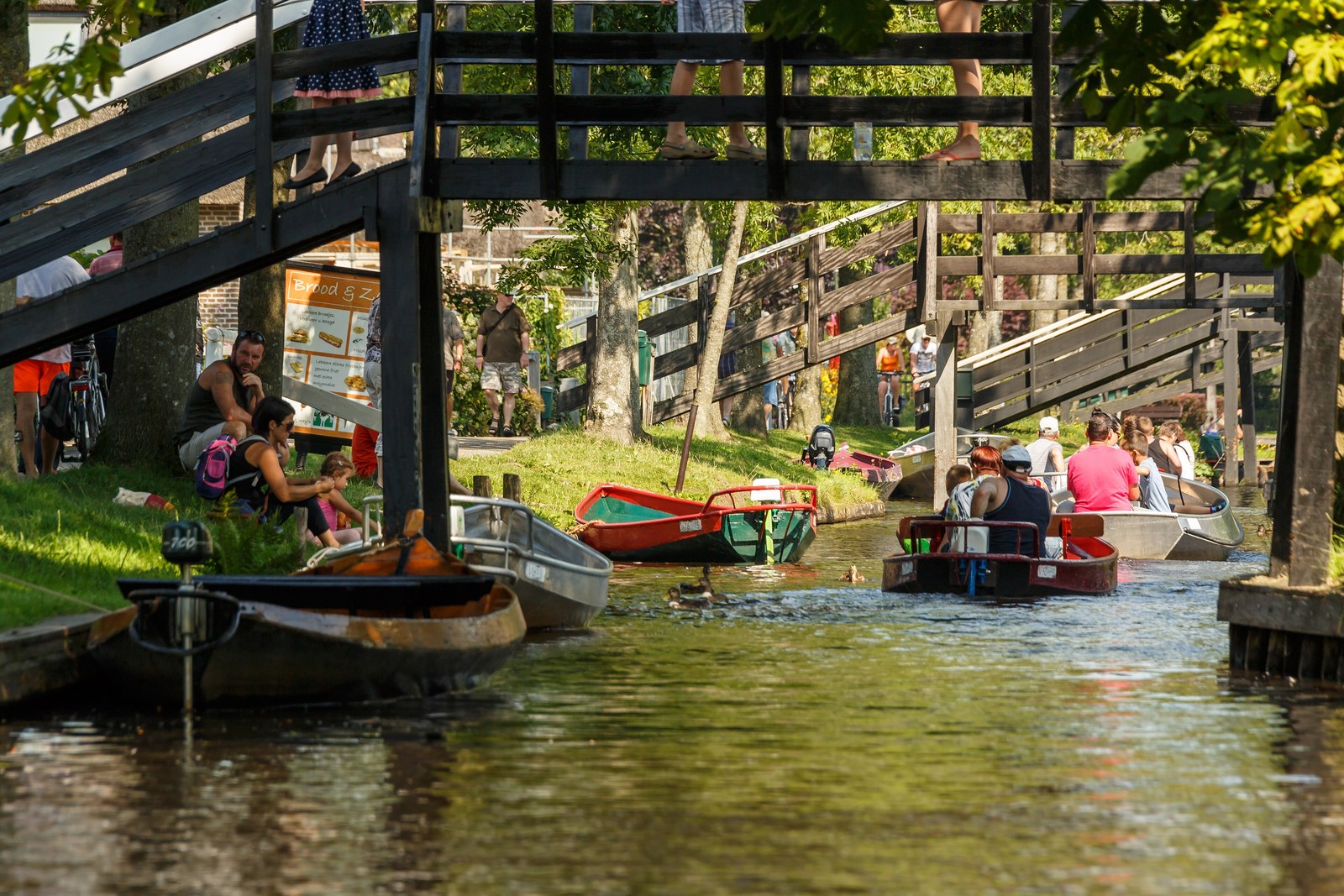
Boats on a canal under a wooden footbridge in Giethoorn, Netherlands
Giethoorn. Photo by CEphoto, Uwe Aranas, CC BY-SA 3.0, via Wikimedia Commons
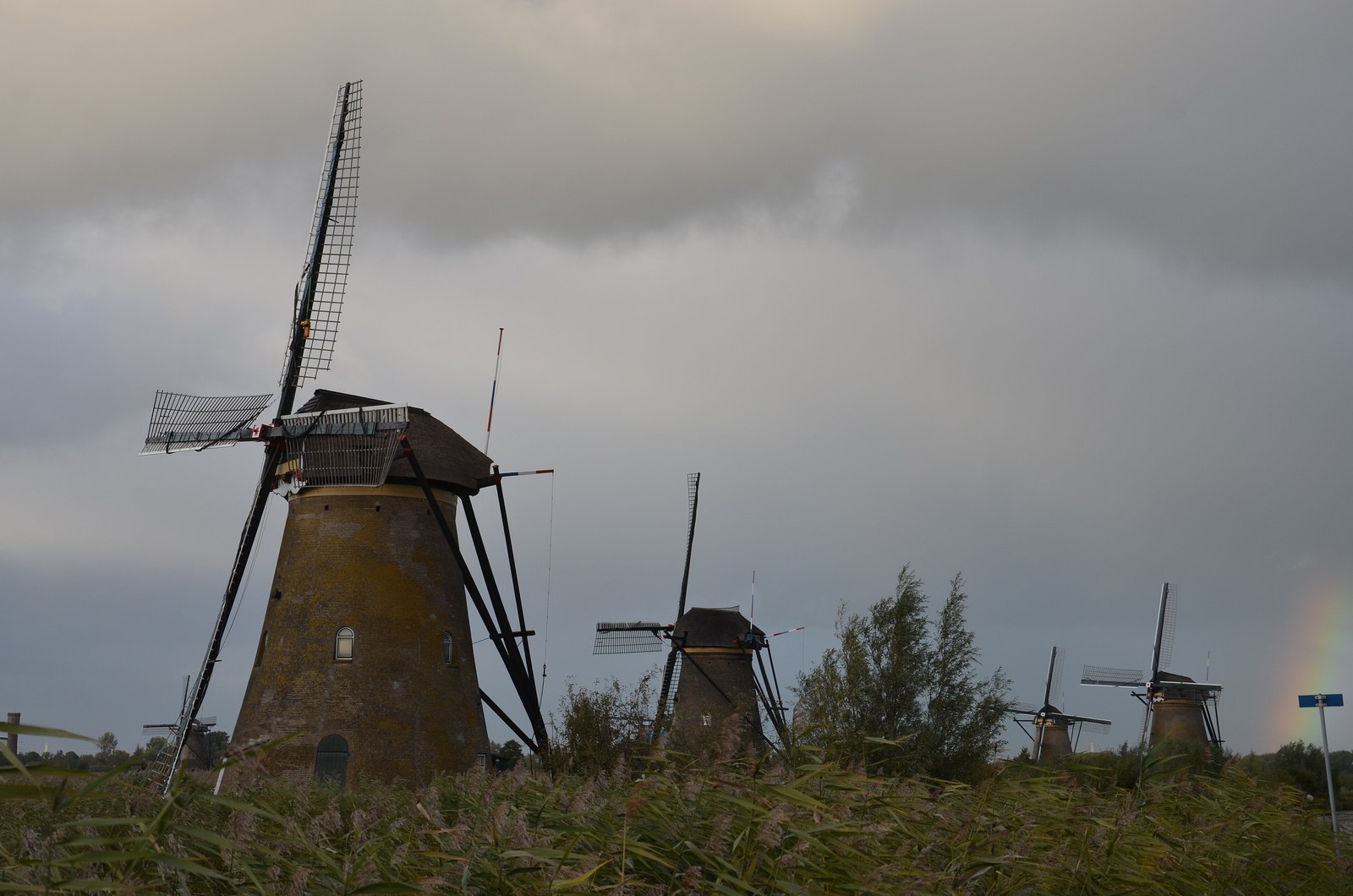
A row of windmills at Kinderdijk under a dramatic cloudy sky, Netherlands
Kinderdijk. Photo by Steven Lek, CC BY-SA 4.0, via Wikimedia Commons